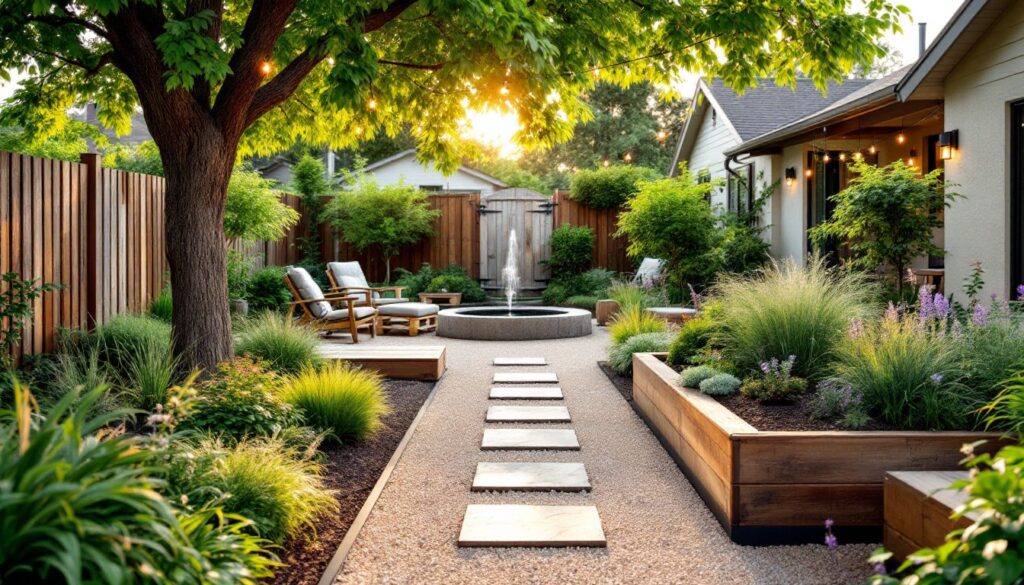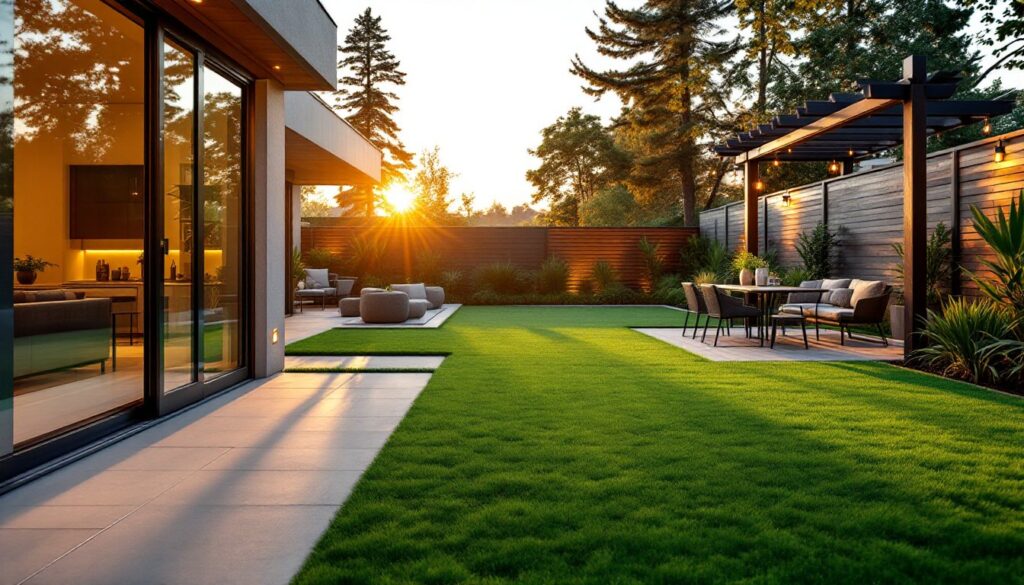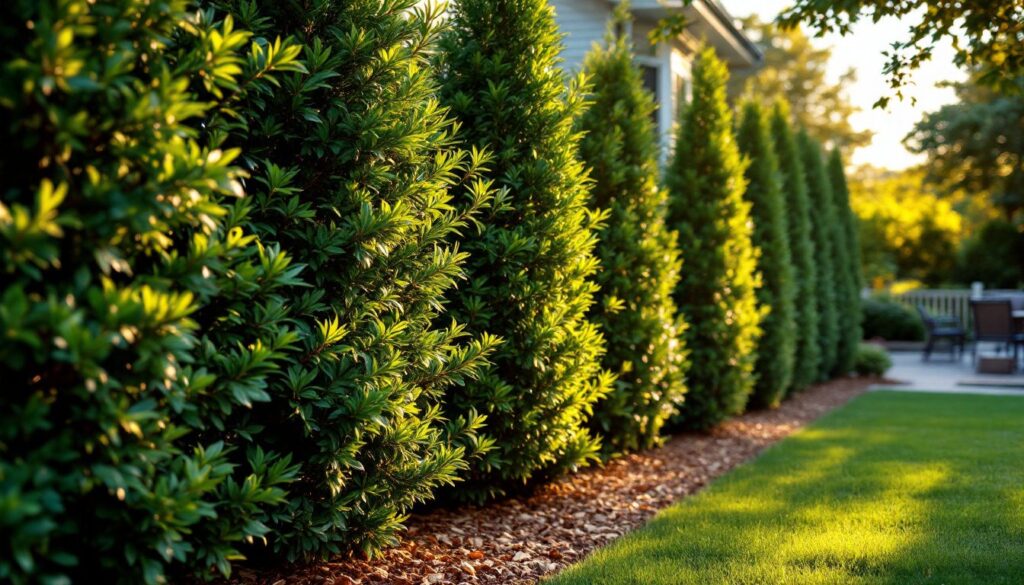

A solid privacy fence costs $3,000–$8,000 for a modest backyard, but a living hedge can achieve the same screening effect for a fraction of the price, and it actually improves over time. Privacy hedges are more than just green barriers: they soften your landscape, provide wildlife habitat, and create a buffer against noise and dust from neighbors or nearby streets. Whether you’re dealing with a busy road, intrusive sightlines, or simply want to carve out a more intimate outdoor retreat, backyard privacy hedges deliver a natural solution that grows and becomes more valuable year after year.
Table of Contents
ToggleKey Takeaways
- Backyard privacy hedges cost a fraction of traditional fencing ($3,000–$8,000) while improving over time and providing multiple benefits like noise reduction, wildlife habitat, and natural landscape blending.
- Privacy hedges require choosing the right plant for your USDA hardiness zone—evergreens like Emerald Green Arborvitae and Leyland Cypress offer year-round coverage, while deciduous options like privet and hornbeam provide faster growth and seasonal variety.
- Proper planting in spring or fall with adequate spacing (12–18 inches for privet, 3–4 feet for larger plants), amended soil, and consistent first-year watering are essential for hedge success and fast establishment within 3–5 years.
- Strategic placement 10 feet from property lines and consideration of sight angles from neighbors’ decks or windows maximizes privacy effectiveness more than simply planting along the boundary.
- Established hedges need annual pruning, a tapered profile (narrower at top), spring mulch top-dressing, and regular pest monitoring—most live 30–50+ years with basic maintenance, making them one of the longest-lasting landscape investments.
Why Privacy Hedges Are the Perfect Backyard Solution
Privacy hedges outperform traditional fencing in several key ways. They’re living barriers that establish themselves over three to five years and then require only annual maintenance, no replacement boards, no repainting. A mature hedge also absorbs sound more effectively than a solid fence because plants scatter and dampen sound waves rather than reflecting them back.
From a design perspective, hedges blend with any landscape style. A modern house pairs well with a geometric privet hedge, while a cottage garden suits wilder, informal screening with mixed shrubs. Hedges also add property value more subtly than fencing: they suggest permanence and care without the institutional look of a solid barrier.
Another overlooked benefit: cost-effectiveness. While initial planting requires digging, soil prep, and weekly watering for the first season, the long-term expense is minimal. Transforming a backyard into a personal oasis doesn’t have to expensive: 10 Creative DIY Backyard shows how homeowners can stretch budgets across multiple improvements, including hedging as part of the overall design.
Best Privacy Hedge Plants for Different Climates
Choosing the right plant is non-negotiable, a hedge that doesn’t thrive in your zone will waste time, money, and effort. The key is understanding your USDA hardiness zone, annual rainfall, and sunlight hours at the planting site.
Evergreen Options for Year-Round Coverage
Evergreens are the workhorse of privacy hedging because they maintain their foliage all year. Emerald Green Arborvitae (zones 3–8) is a top choice for northern climates: it grows 40–50 feet tall and 15–20 feet wide if unpruned, but tolerates aggressive heading-back to 6–8 feet. Space plants 3–4 feet apart for a tight screen within 5–7 years.
Leyland Cypress (zones 6–10) is fast-growing in the Southeast and coastal areas, reaching 40–60 feet naturally. It prefers well-draining soil and full sun: soggy conditions invite root rot. For western zones, Italian Cypress (zones 7–11) delivers a columnar silhouette, though it requires dry conditions and struggles in humid regions.
Boxwood (zones 5–9) offers fine texture and formality but grows slowly, expect 6–8 feet over 10 years. It’s ideal for mixed hedges or borders rather than fast privacy screens. Boxwood requires afternoon shade in hot climates to prevent foliage scorch.
For tropical and subtropical regions, Ficus (zones 10–11) and Clusia (zones 10–12) create dense, salt-tolerant screens. Both tolerate sandy soil and are forgiving of irregular watering once established.
Deciduous Hedges for Seasonal Flexibility
Deciduous hedges lose leaves in winter but often deliver superior spring and summer structure plus fall color. Privet (zones 4–11, depending on species) is fast-growing, tolerates hard pruning, and accepts poor soil, making it ideal for first-time hedge planters. Space plants 12–18 inches apart: they’ll fill in within 2–3 years. Downside: privets require monthly summer pruning to stay neat.
Hornbeam (zones 5–9) resembles beech but tolerates wet soil better. It grows moderately (12–15 inches annually) and maintains a natural shape with minimal intervention. Plant 18–24 inches apart.
Hawthorn (zones 4–9) offers thorny density, white spring flowers, and red berries for wildlife. It’s drought-tolerant once established and accepts shade, though it flowers best in full sun. The thorns mean it’s effective at deterring foot traffic, a practical security bonus.
A comprehensive guide to hedging techniques and plant selection from Gardenista expands on regional favorites and specialized hedging forms that match different aesthetic goals.
How to Plant and Establish Your Privacy Hedge
Proper planting determines whether a hedge thrives or stalls. Start in early spring or fall when plants are semi-dormant and soil moisture is reliable.
Site Prep: Mark your hedge line with string and stakes. Clear grass and weeds 2–3 feet on either side, you need working room and reduced competition. Check soil drainage by digging a 12-inch hole, filling it with water, and observing how quickly it drains. Hedges hate standing water: amend heavy clay with compost or sand.
Spacing and Planting: Spacing depends on mature width and your timeline. For fast coverage (3 years), use closer spacing (3–4 feet for larger plants, 12–18 inches for privet): for slower hedges, space at 50% of mature width. Dig individual holes twice as wide as the root ball and just as deep, never deeper, or the plant will sink and suffocate.
Backfill with amended soil (native soil mixed with 25–30% compost). Tamp gently, create a 3-inch basin around the base, and water thoroughly. Mulch with 2–3 inches of wood chips, keeping it 6 inches away from the stem to prevent rot.
First-Year Care: Water weekly if rainfall is less than 1 inch per week. This is non-negotiable: dry newly planted hedges rarely recover. Drip irrigation or soaker hoses work best, delivering water at the root zone without wetting foliage (which invites fungal disease).
Don’t prune hard the first year. Light heading back by 6–12 inches encourages branching, but aggressive pruning stresses young plants. Wait until year two to begin shaping your hedge profile.
Designing Your Layout for Maximum Impact
Effective privacy hedges aren’t just tall, they’re positioned strategically. Most people plant along property lines, but consider sight lines from neighbors’ windows, decks, and driveways. A hedge 10 feet from the property line often screens better than one right on the line because it shifts your neighbor’s sightline angle.
Height and Density: A 6-foot hedge blocks sightlines for someone standing at ground level but not someone on a deck. If the neighbor’s deck overlooks your space, plan on 8–10 feet of height or pair a shorter hedge with a pergola or living wall. Density matters equally: a thin, spindly hedge 8 feet tall is less effective than a dense 6-footer. Choose plants known for branching vigor (privet, arborvitae, hornbeam) over sparse growers (some ornamental grasses, thin-limbed shrubs).
Staggered vs. Single-Row Planting: A single row is economical but thins visibly in winter (for deciduous plants) or develops gaps if individual plants fail. A staggered double row, offset plants 3–4 feet apart, creates redundancy and denser coverage by year four. Expect to invest 60% more in plants but gain a more resilient screen.
Home design inspiration sites like Homedit showcase landscaping strategies that balance functionality with aesthetic appeal, including mixed hedging borders and layered privacy screens that integrate multiple textures and heights.
Angles and Curves: Straight hedges feel formal but expose long sightlines if they’re not perfectly dense. Gentle curves or angled runs (following your fence line at a 45-degree angle, for instance) visually interrupt sightlines and feel more organic. Never underestimate the psychological power of blocking sight, even partial obstruction reduces perceived exposure.
Maintenance Tips for Healthy, Long-Lasting Hedges
Once established (after 2–3 years), hedges require annual attention but nothing extreme. The work breaks down into pruning, feeding, and pest/disease monitoring.
Pruning Schedule: Prune evergreen hedges once annually in late spring (after new growth hardens off) or twice for faster growth (May and August). Deciduous hedges typically get one hard cut in late winter (February–March, before bud break) and possibly a summer trim for tidiness. Use sharp hedge shears or a power trimmer, dull blades crush stems and invite disease. Always wear eye protection, gloves, and ear protection if using power tools: debris flies fast.
Maintain a slight taper on hedges: narrower at the top, wider at the base. This ensures lower branches receive sunlight and don’t thin out. A vertical hedge with parallel sides will always develop bare patches at the bottom.
Feeding and Watering: Mature hedges rarely need supplemental watering except during drought (less than 1 inch of rain per week for two consecutive weeks). A 2-inch compost mulch top-dressed each spring provides slow-release nutrients and conserves moisture. Avoid excessive nitrogen fertilizer, which promotes soft growth attractive to pests.
Pest and Disease Monitoring: Early detection stops problems before they spread. Scout for spider mites (fine webbing, yellowing foliage), scale insects (crusty bumps on stems), or fungal diseases (brown or black spots, dieback). Prune out infected branches immediately and dispose of them (don’t compost). Neem oil or horticultural soap handles most issues without harsh chemicals: follow label directions.
Resources like The Spruce provide detailed troubleshooting guides for common hedge problems, including nutrient deficiencies, pest identification, and recovery strategies for damaged sections. Most hedges live 30–50+ years with basic care, making them one of the longest-lasting landscape investments.