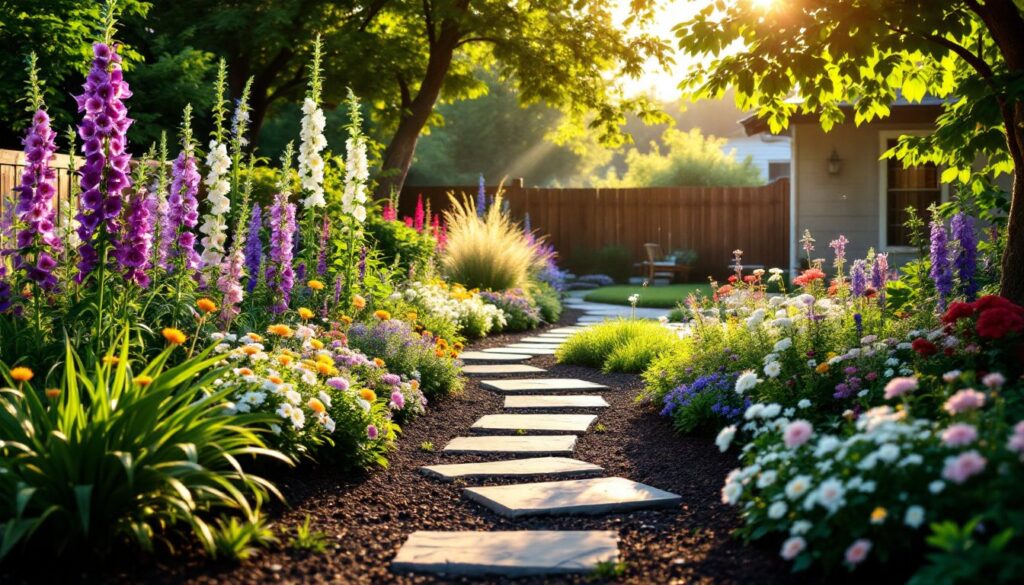

Creating a flower garden doesn’t require a landscape architect or years of horticultural expertise, just thoughtful planning and the right approach. Whether you’re starting from bare soil or adding color to an existing landscape, backyard flower garden ideas range from simple cottage beds to structured modern borders. The key is understanding what works in your specific yard, then building a design that suits your climate, maintenance habits, and aesthetic goals. This guide walks you through location selection, plant choices, layout strategies, and bed prep so you can grow a thriving garden that looks good year-round.
Table of Contents
ToggleKey Takeaways
- Assess sunlight patterns and drainage in your yard before choosing a location—most backyard flower garden ideas thrive with 6+ hours of direct sunlight and well-draining soil.
- Select flowers based on your USDA hardiness zone and maintenance preferences: beginners should start with forgiving annuals like zinnias and marigolds, while perennials like coreopsis offer long-term color.
- Create visual impact by varying plant heights, layering bloom times across seasons, and choosing between cottage garden chaos or minimalist modern borders suited to your style.
- Prepare beds properly by clearing weeds completely, loosening soil 8–12 inches deep, and mixing in 2–3 inches of compost to improve drainage and nutrient content.
- Maintain your garden with deadheading, consistent deep watering (about 1 inch per week), and a 2-inch mulch layer to suppress weeds and moderate soil temperature.
- Start with one well-planned bed, observe results, and expand gradually—keeping notes on bloom dates and plant performance helps you refine your design each season.
Choose the Right Location and Sunlight for Your Flower Garden
Before digging a single hole, spend a few days watching how sunlight moves across your yard. Most flowering plants fall into three categories: full sun (6+ hours of direct sunlight), partial shade (3–6 hours), or full shade (less than 3 hours). Understanding your yard’s sunlight pattern is the foundation of a successful garden.
Full-sun beds typically produce the most blooms and vibrant colors, but they also dry out faster and may require more frequent watering in hot climates. If you’re planting in an area that receives afternoon western sun, account for extra heat stress on delicate plants. Partial-shade spots work well for cool-climate perennials like hostas, astilbes, and hellebores. They’re also ideal if your yard has mature trees that create dappled light.
Drainage matters just as much as sunlight. Soggy soil leads to root rot, fungal disease, and dead plants, no matter how well-chosen they are. Observe where water pools after rain. Avoid those spots for flower beds unless you’re willing to install drainage or build raised beds with better soil composition. Similarly, don’t place beds directly against south-facing walls in hot regions: the reflected heat can scorch plants even if sunlight hours are adequate.
Consider wind exposure too. Strong winds can snap stems, dry out plants quickly, and shred delicate petals. If your yard is windy, choose sturdy varieties or plant windbreaks using shrubs or fencing.
Select Flowers Based on Your Climate and Skill Level
Your USDA hardiness zone (find yours at your local extension office or online) determines which perennials survive winter outdoors. Annuals, by contrast, complete their life cycle in one season and die at frost, but they bloom reliably all summer with minimal fuss.
Beginners often succeed with annuals like zinnias, marigolds, impatiens, and petunias because they’re forgiving, bloom continuously, and cost just a few dollars per plant. Direct-seed them in spring after frost danger passes, or buy transplants from a nursery to save time. Hardy perennials like coreopsis, daylilies, and coneflowers come back yearly and improve with age, though they typically need division after 3–4 years to stay vigorous.
For regions with harsh winters, stick with cold-hardy perennials rated for your zone. The American Horticultural Society and local extension services offer reliable hardiness guides. If you live in a warm climate, you can experiment with tender perennials like dahlias and tender salvias that you’d otherwise dig up and store each fall.
Watering needs vary dramatically. Drought-tolerant plants like lavender, sedum, and salvia thrive in sandy or rocky soil and need little supplemental water once established. Moisture-loving plants like astilbes and primrose require consistent dampness and won’t tolerate dry spells. Match your plant palette to your climate’s rainfall and your willingness to water. Low-maintenance varieties are especially valuable if you travel frequently or prefer weekend gardening to daily upkeep. When building a multi-season backyard, choosing climate-appropriate flowers ensures color from spring through fall.
Design Layout Ideas for Maximum Visual Impact
Smart garden design creates visual depth, extends bloom time, and makes small spaces feel larger. The key principles are simple: vary plant heights, overlap bloom times, and choose a cohesive color palette.
Cottage Garden Style
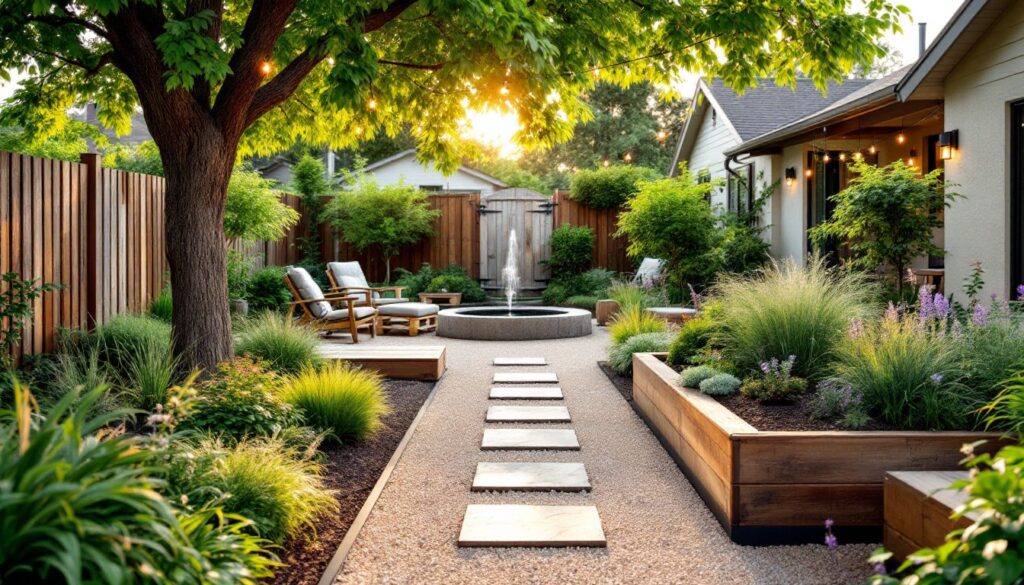
Cottage gardens embrace organized chaos, dense plantings of mixed perennials, annuals, and often fragrant herbs crowded together without strict geometric patterns. The look feels romantic and lived-in, not stiff or formal.
Start with tall plants (hollyhocks, delphiniums, roses) in the back, mid-height bloomers (coreopsis, salvia, rudbeckia) in the middle, and low edging plants (alyssum, dianthus, catmint) in front. Layer three seasons of bloom: spring bulbs and early perennials, summer annuals and mid-season perennials, and fall bloomers like asters and sedum. A wildflower garden area captures the same relaxed aesthetic while requiring less maintenance. Leave narrow paths of mulch or stepping stones so you can deadhead and water without trampling plants. Cottage gardens work best in areas where you enjoy spending time, near patios or seating areas, because they reward regular attention.
Modern Minimalist Borders
Minimalist borders favor repetition, clean lines, and a restrained color scheme. Plant the same variety in clusters of three, five, or seven (odd numbers feel more natural) rather than mixing a dozen different types.
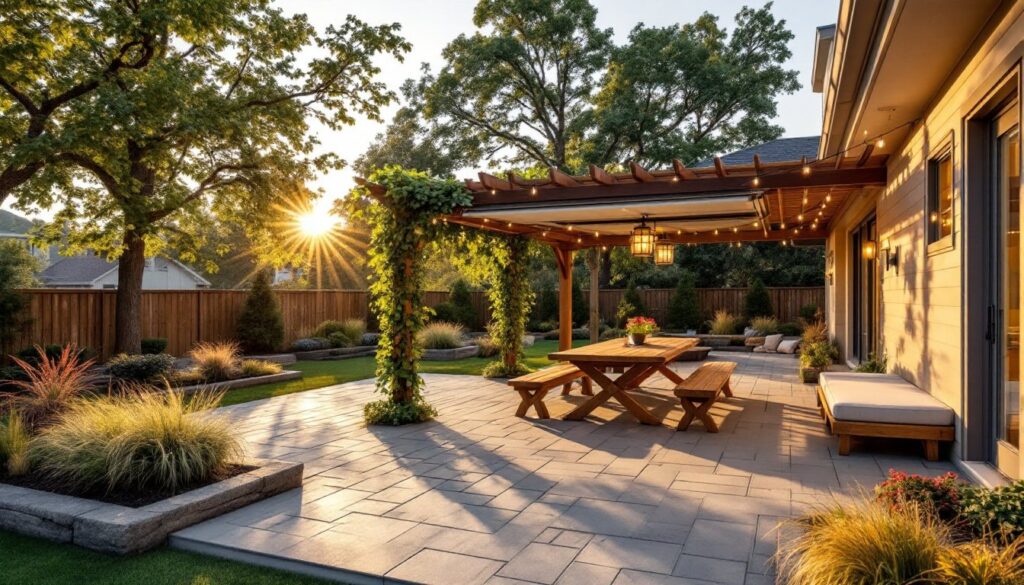
Choose two to three complementary flower colors, say, purple and white with gray foliage, and repeat them throughout the bed. Ornamental grasses like Miscanthus or Panicum provide texture and movement without competing for attention. Raised beds with crisp steel or composite edges enhance the structured feel. This approach is lower-maintenance because fewer plant varieties mean fewer care routines and pest issues to track. It’s also visually calming and works beautifully with contemporary architecture. Expanding your vision across your entire yard can involve exploring backyard landscaping designs that tie flower beds to hardscaping and existing features.
Prepare and Maintain Your Garden Beds
Good soil is non-negotiable. Most ornamental flowers thrive in well-draining loam amended with organic matter, think compost, aged manure, or peat moss. Test your soil’s pH and nutrient content with an inexpensive kit from a garden center, especially if you’re planting acid-loving plants like azaleas or blueberries. Clay-heavy soils need grit and organic matter to improve drainage. Sandy soils need compost to retain moisture and nutrients.
When preparing a new bed, clear existing weeds and grass completely, don’t just turn them into the soil, or they’ll regrow. Remove about 2–3 inches of turf with a spade, or spray the area with herbicide and wait two weeks before planting. Loosen the underlying soil to a depth of 8–12 inches and mix in 2–3 inches of compost or aged manure. Raised beds (built from untreated lumber, composite, or metal) bypass poor native soil entirely, though they’re more expensive upfront.
Mulch is your friend. A 2-inch layer of shredded hardwood bark (not dyed bark, which can contain contaminants) keeps weeds down, moderates soil temperature, and gradually breaks down to improve soil structure. Leave a 2-inch gap between mulch and plant stems to prevent rot and pest issues.
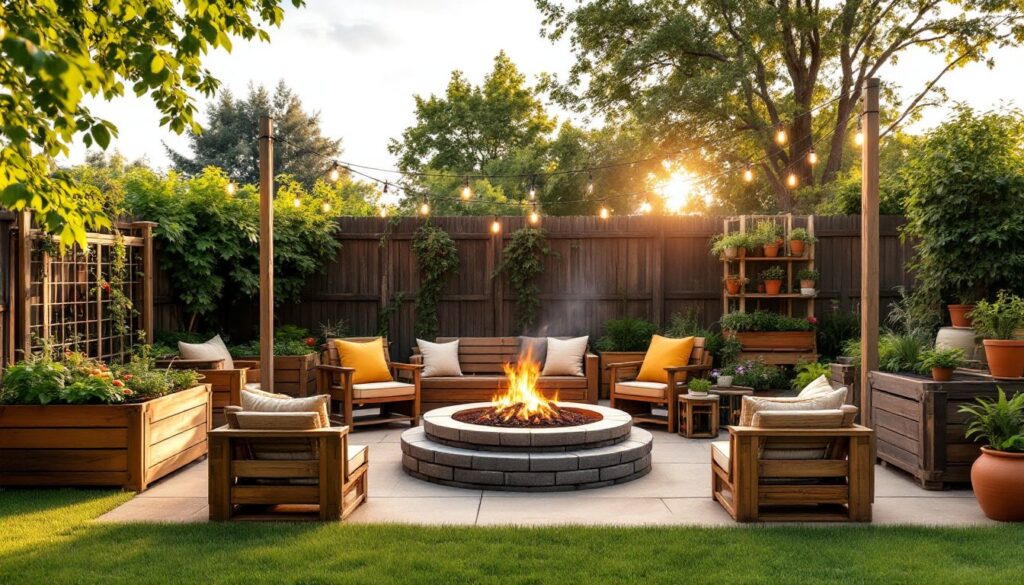
Maintenance hinges on deadheading, watering, and occasional fertilizing. Removing spent flowers forces plants to produce more blooms instead of setting seed. Water deeply and infrequently (about 1 inch per week, including rainfall) to encourage deep roots. A soaker hose or drip irrigation delivers water to soil, not foliage, reducing fungal disease. Divide perennials every few years when they get crowded or decline in vigor. Spring applications of balanced fertilizer or a slow-release granule keep blooms coming. If you’re tackling flower beds as part of a larger project, 10 creative DIY backyard projects can complement your garden work. Resources like The Spruce offer detailed guides on specific plant care and seasonal tasks. For budget-conscious redesigns, backyard makeovers on a budget show how to prioritize high-impact beds without very costly.
Conclusion
Building a thriving backyard flower garden is a gradual process, not an overnight transformation. Start with one well-planned bed in a spot that suits your target plants. Observe blooms, water needs, and seasonal color. Then expand. As your confidence grows, you’ll learn what thrives in your yard and what needs tweaking. Keep notes on bloom dates, plant performance, and design adjustments, they’re invaluable next season. With solid site prep, thoughtful plant selection, and consistent basic care, your garden will reward you with seasons of color and the satisfaction of growing something beautiful with your own hands.