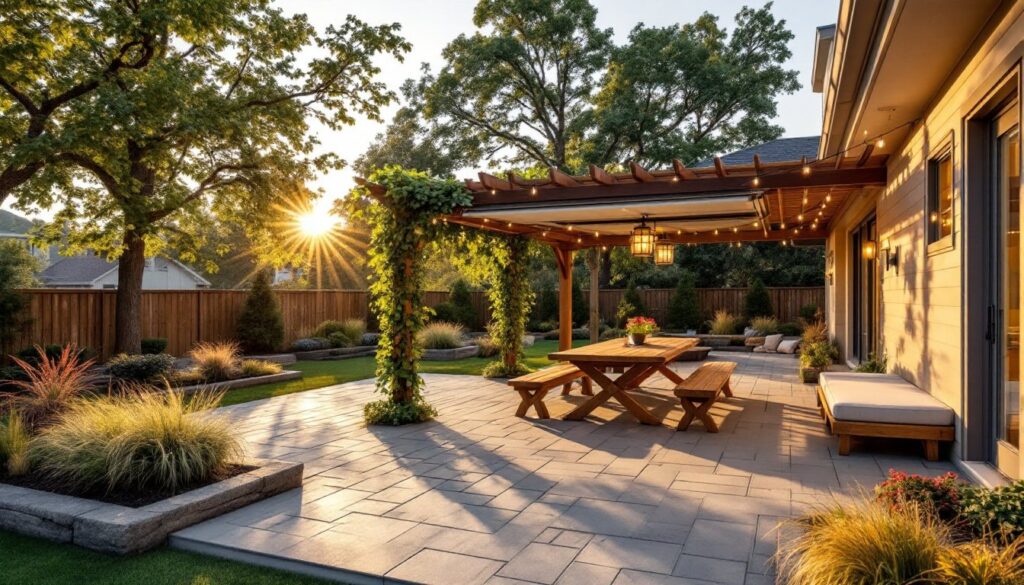
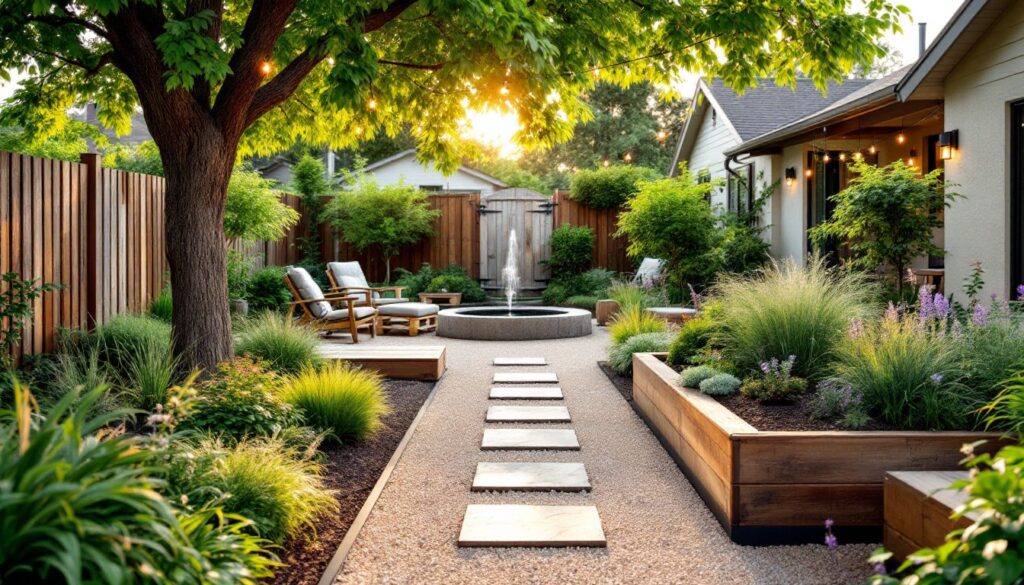
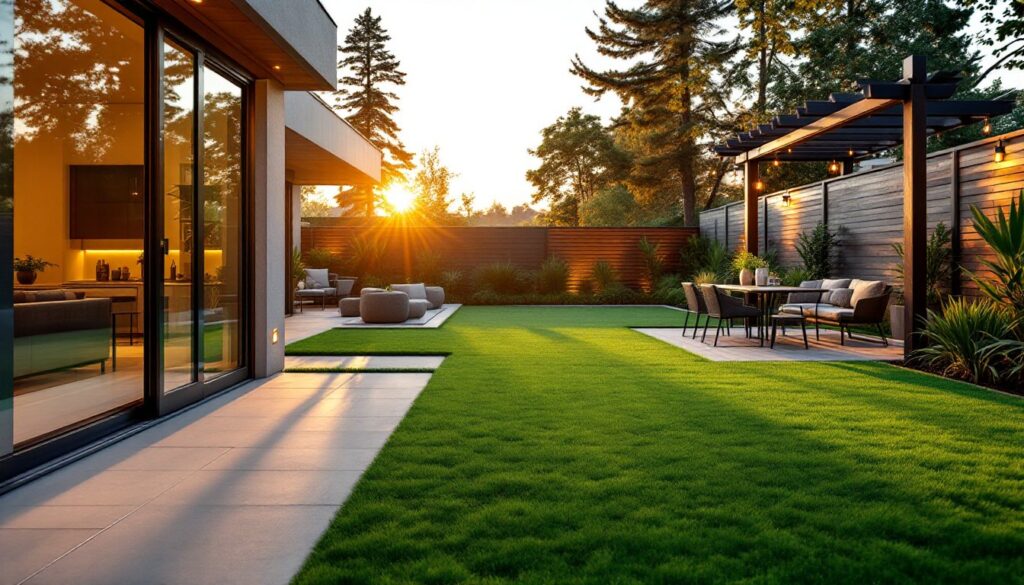
A tall fence blocks views, but it also blocks light and can feel like a barrier between you and the outdoors. Privacy trees do the opposite, they create a natural screen while letting in filtered light and air, transforming your backyard into a secluded retreat. Whether you’re dealing with nosy neighbors, a busy road, or just want to define your property line with living greenery, backyard privacy trees offer a solution that improves both aesthetics and function. Unlike hardscape solutions, trees soften the landscape, support local wildlife, and typically require less maintenance once established. Here’s how to choose, plant, and maintain privacy trees that actually work.
Table of Contents
ToggleKey Takeaways
- Backyard privacy trees create a natural living screen that filters light and air while reducing noise and wind better than traditional fences, improving both property aesthetics and curb appeal.
- Evergreens like Emerald Green Arborvitae (Zones 3–8) and Eastern Red Cedar provide year-round coverage, while fast-growing options like Hybrid Willow deliver quick screening for impatient homeowners.
- Proper site assessment—checking soil quality, light levels (aim for at least partial sun), and local zoning ordinances—is critical before planting privacy trees to ensure long-term success.
- Space privacy trees based on mature width (3–5 feet apart for Arborvitae, 8–12 feet for willows) and plant in spring or early fall with consistent watering for the first two growing seasons to establish strong root systems.
- Regular maintenance including deep, infrequent watering, annual pruning for fast growers, and pest monitoring keeps privacy trees healthy and dense without excessive effort once established.
Why Privacy Trees Are a Game-Changer for Your Outdoor Space
Privacy trees solve a real problem: creating a buffer between your space and the outside world without the visual weight of a solid fence. A living screen filters wind, reduces noise better than you’d expect, and gradually thickens as the tree matures, giving you denser coverage year after year.
There’s also the practical matter of curb appeal and property value. A well-planned tree screen looks intentional and polished, whereas a bare property line or chain-link fence reads as incomplete. Trees also improve air quality, provide habitat for birds and pollinators, and add shade that lowers cooling costs in warmer months.
The key is choosing trees suited to your climate and site conditions. A tree struggling in the wrong hardiness zone or light level won’t grow dense or healthy, defeating the purpose. Spend time assessing your space before you buy.
Top Privacy Tree Varieties That Thrive in Most Climates
Evergreen Options for Year-Round Coverage
If you want privacy year-round, evergreens are your foundation. Unlike deciduous trees that drop leaves in fall, evergreens keep their foliage and provide screening even in winter.
Emerald Green Arborvitae is a popular choice across much of the US (Zones 3–8). It grows tall and narrow, 30 to 40 feet tall but only 3 to 4 feet wide, making it perfect for tight spaces. Plant them 3 to 5 feet apart in a staggered row for a wall effect. These need consistent moisture the first two seasons: too much drought stress and they brown out from the inside.
Leyland Cypress thrives in warmer climates (Zones 6–10) and grows 40 to 60 feet tall with a feathery texture. It’s fast and dense, but watch for disease in humid regions, ensure good air circulation between plants.
Eastern Red Cedar (actually a juniper, not a cedar) tolerates poor soil, drought, and wind better than many alternatives. It’s tougher than Arborvitae and doesn’t mind neglect once established, though it’s slower-growing (Zones 2–9).
Fast-Growing Trees for Quick Results
If you need screening soon and aren’t concerned about winter coverage, fast-growing deciduous or semi-evergreen options close in quickly.
Hybrid Willow and Willow Hybrid trees grow 3 to 6 feet per year in their first few years. They’re ideal for Zones 3–9. The downside: they need consistent water and regular pruning to stay shaped. Without maintenance, they become overgrown and weedy-looking.
Prime Trees (proprietary cultivars bred for growth rate) like Prime Green also grow rapidly and stay denser than standard willows. They’re less fussy about water than some willows but still need monitoring.
Bamboo screening varieties (like clumping bamboo, not running bamboo) grow fast and stay contained if you use proper root barriers. Bamboo is invasive if planted carelessly, so research your cultivar carefully before committing.
For a balanced approach, combine a fast-growing deciduous tree with slow, steady evergreens. You get immediate coverage while waiting for the long-term plants to mature.
How to Plan and Plant Your Privacy Tree Screen
Start by measuring your property line and understanding your sight lines. Where is the view you want to block? Is it from your bedroom window, deck, or entire backyard? This determines spacing and height requirements.
Check your local zoning ordinances before planting. Many municipalities restrict tree heights near property lines or require setbacks from lot boundaries. A few minutes with your city planning office or a phone call to your county extension office saves headaches later.
Next, assess soil and light. Dig a quick test hole 12 inches deep, pull out soil, smell it, and feel its texture. Is it wet and heavy clay, or loose and sandy? Do you have full sun (6+ hours), partial shade (3–6 hours), or dense shade (under 3 hours)? Most privacy trees prefer at least partial sun. Arborvitae and cedars tolerate some shade: willows and most fast growers need sunlight to stay dense.
When you’re ready to plant, space trees based on their mature width. Arborvitae should be 3 to 5 feet apart, willows 8 to 12 feet apart. Spacing affects density and cost, close spacing gives faster coverage but costs more upfront and crowds later.
Dig a hole twice the width of the root ball and just as deep (not deeper, deep planting causes root rot). Backfill with native soil mixed with compost, breaking up any clay chunks. Tamp gently, then water thoroughly. Apply 2 to 3 inches of mulch around the base (not touching the trunk) to retain moisture and regulate soil temperature.
Plant in spring or early fall, when trees are dormant or semi-dormant. Avoid planting in hot summer or deep winter unless you’re in a frost-free zone. A newly planted tree needs consistent watering for the first two growing seasons, don’t assume rainfall covers it. Your local extension office can advise on specific watering needs based on your climate.
Maintenance Tips to Keep Your Trees Healthy and Dense
Once established, privacy trees need less fussing than you’d think, but neglect leads to sparse, weak growth.
Watering matters most in the first two years. Deep, infrequent watering encourages strong root development better than daily sprinkles. Water slowly at the base for 30 to 60 seconds per tree, 2 to 3 times per week in drought conditions. Let the mulch do the work of moisture retention.
Fertilizing isn’t usually necessary if your soil has decent organic content. If leaves are pale or growth stalls, a balanced, slow-release fertilizer in early spring helps. Avoid over-fertilizing, lush, soft growth is more prone to pest damage.
Pruning maintains shape and density. For most evergreens, light pruning in late winter (before new growth) removes dead branches and encourages branching. Never top a tree or remove more than one-third of new growth in a season, you’ll stress it and create weak regrowth. Fast-growing willows and deciduous screening trees benefit from annual pruning to control size.
Pest and disease monitoring prevents problems. Bagworms, spider mites, and canker disease can hit stressed trees. Healthy, well-watered trees resist pests better. If you notice unusual discoloration, webbing, or branch dieback, photograph it and contact your local extension office for diagnosis before treating.
Winter salt damage is a reality in colder regions. Road salt spray or salt-laden snow reflects off south-facing walls onto nearby trees, browning needles. Use a cloth barrier or burlap wrap if your trees are close to roads or de-iced driveways.
For expert guidance on maintaining dense, healthy trees, many homeowners reference Hunker for home improvement tips and design inspiration to complement their landscape work.
Conclusion
Backyard privacy trees aren’t an instant solution, they’re an investment that pays dividends over years and decades. Choose varieties suited to your climate, give them the right site and spacing, and commit to consistent watering and pruning in their early years. A well-planned tree screen becomes part of your landscape’s character, offering privacy, wildlife habitat, and natural beauty that a fence simply can’t match. Start planning your screen today, and you’ll be enjoying the peace and seclusion it creates within a couple of seasons.