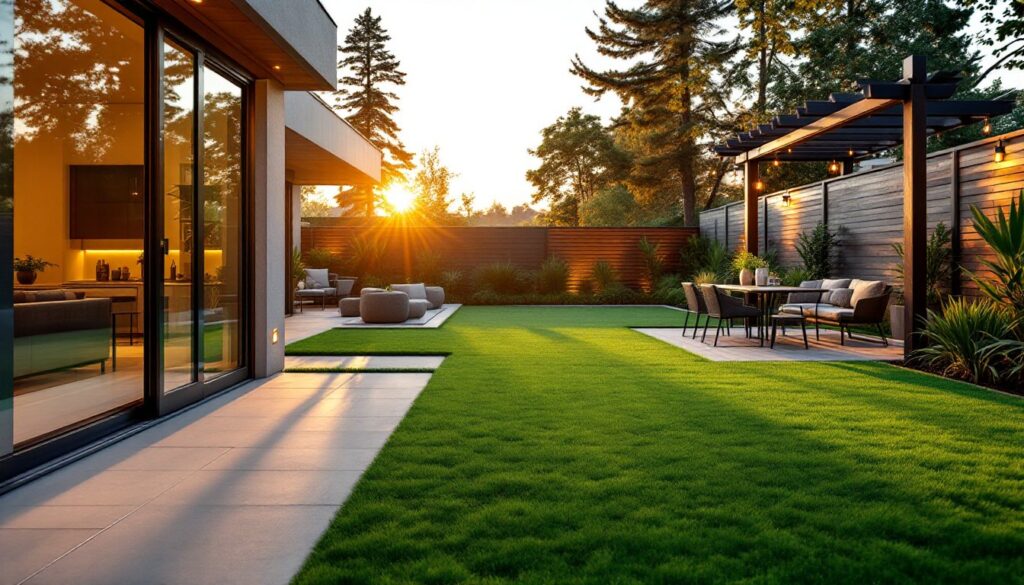
Building a backyard outdoor bar doesn’t require a contractor or a six-figure budget, it’s one of the smartest ways to multiply your entertaining square footage and add real value to your home. Whether you’re hosting weekend cookouts, summer cocktail parties, or just want a dedicated spot to grab a cold drink while you garden, an outdoor bar becomes the natural gathering hub. The best outdoor bar ideas balance functionality with style, fitting your yard’s layout and your skill level. From rustic pallet builds to sleek concrete counters, the options run deep. This guide walks through 20 backyard outdoor bar ideas and covers everything from choosing your style to sourcing materials and nailing the details that make people actually want to hang out in your yard.
Table of Contents
ToggleKey Takeaways
- A backyard outdoor bar adds entertaining space and home value without requiring a large budget, with functional setups starting at $150–$400 for basic structure and countertop.
- Choose a bar style that complements your home’s architecture and existing backyard vibe—whether rustic, farmhouse, or modern—and match your DIY skill level and available timeline.
- Budget-friendly outdoor bar options include sealed plywood countertops ($100–$150), salvaged materials from marketplaces, or building around existing structures like deck railings or shed walls.
- Essential outdoor bar features include adequate counter work surface, accessible storage for glassware, a beverage cooler, and optional plumbing for a sink—with removable cooler inserts avoiding complex trenching work.
- Countertop material choice impacts durability; sealed plywood, concrete, and composite decking offer the best value-to-durability ratio for DIY builders seeking longevity.
- Lighting (string lights, recessed deck lights, lanterns) and comfortable seating (4–6 quality outdoor stools plus lounge chairs) transform an outdoor bar into a welcoming gathering hub, with a pergola adding shade and year-round usability.
Choosing the Right Bar Style for Your Backyard
Your bar’s style should complement your home’s architecture and your backyard‘s existing vibe. A modern minimalist bar looks awkward next to a cottage-style shed, and a rustic timber structure can feel out of place on a sleek contemporary patio. Think about what you already have: your deck, landscaping, and fence line. The bar should feel like it belongs, not tacked on.
Also consider how much time and skill you’re comfortable investing. A basic two-tier counter on a concrete pad takes a weekend or two. A fully framed structure with a roof, electrical, and plumbing can demand weeks and professional help. Be honest about your toolset and timeline upfront, it saves frustration later.
Rustic and Farmhouse Designs
Rustic bars tap into the appeal of handmade, lived-in spaces. Think weathered wood, galvanized metal, and industrial elements. Pallet wood, reclaimed barn siding, and salvaged hardware feel authentic because they often are reclaimed. The beauty here is forgiving: rough edges, uneven staining, and visible fasteners add character rather than scream “mistake.”
Farmhouse designs lean into white-painted wood, shiplap, or light stain finishes with classic lines. Both styles pair well with string lights, lanterns, or tiki torches for evening gatherings. Pricing is usually moderate, salvaged wood might cost less than new lumber, though labor-intensity can vary. These bars age gracefully and actually look better after a season or two of weathering.
Modern and Minimalist Approaches
Modern bars strip away ornament and emphasize clean geometry, neutral materials, and integrated functionality. Think concrete countertops, steel frames, smooth plywood or composite surfaces, and integrated shelving. Storage and surface area are baked into the design, no wasted space, no fussiness.
Minimalist bars work especially well on tight patios or yards where a chunky structure would dominate. They often require more precision in layout and finishing (concrete needs curing time, edges need sealing), but reward you with a polished, contemporary look that won’t feel dated. Material costs skew higher for concrete and high-end composite counters, but you’re paying for durability and low maintenance.
Budget-Friendly Bar Building Options
A functional outdoor bar doesn’t cost a fortune. Start with a simple structure: two 4×4 posts sunk 2–3 feet into the ground, a pressure-treated 2×10 or composite joist frame, and a countertop of your choosing. That base runs $150–$400 depending on your countertop choice and whether you go single-tier or double-tier.
The cheapest route: pressure-treated plywood with exterior paint, sealed afterward. A sheet of 3/4″ plywood runs $40–$60 and covers roughly 32 square feet of counter space. Paint it a solid color, seal it with outdoor polyurethane, and you’ve got a serviceable surface for $100–$150 total. It’ll need resealing every 2–3 years but handles spills and sun fine.
Another budget win is building a base bar around existing structures. A sturdy wooden deck railing, a garden wall, or the side of a garage or shed becomes your back support, cutting lumber and post costs dramatically. Cabinet-grade materials (MDF, plywood, or composite boards) can be cheaper than solid wood and hold up better in moisture if sealed properly.
Salvage yards and online marketplaces (Craigslist, Facebook Marketplace, Habitat for Humanity ReStores) often have countertops, cabinet doors, and even finished bar sections for a fraction of new retail prices. A countertop or two salvaged pieces combined with new framing can yield impressive results on a $300–$500 budget. You’re not saving money by skimping on fasteners, sealers, or structural lumber, cheap out there and you’ll rebuild in two years.
Essential Features and Functional Elements
A bar is only as good as its practical layout. You need a work surface (counter), storage for glassware and bottles, and a sink if you’re running water. Without water, your bar becomes a fetch-it station, which is fine if you’re backyard-adjacent to your kitchen, but less convenient if you’re 50 feet away.
Glassware storage can be open shelving (easier to keep looking tidy) or cabinet doors (dust protection). A small beverage cooler or built-in ice chest under the counter keeps drinks cold without running to the house. If you’re running water, a simple outdoor faucet fed from your home’s main line does the job, no plumbing license required in most jurisdictions, though rough-in work and code compliance vary, so verify locally. A small prep sink (18″–24″ wide) and a drain line back to your yard’s drainage point are achievable DIY jobs if you’re comfortable with basic plumbing.
Aboveground coolers and drain setups avoid the complexity of digging trenches, which often requires permit work. Many experienced DIYers use a removable cooler-insert method instead: a cabinet opening sized for a standard cooler that slides in and out, with a hole and drain hose running to a sump basin buried nearby.
Countertop Materials and Durability
Your countertop takes daily sun, spilled drinks, and temperature swings. Material matters.
Concrete is durable, modern, and customizable (you can tint or stamp it). It costs $8–$15 per square foot for DIY pours and requires proper prep, reinforcement mesh, and curing time (7–14 days before use). Seal it with a food-safe exterior sealer and re-seal every 1–2 years. Concrete is heavy and prone to hairline cracks over time, not a flaw, but expected.
Composite decking (Trex, Azek) won’t rot and requires minimal maintenance. It costs more upfront ($15–$25/sq. ft.) but lasts 20+ years. It can get slippery when wet and isn’t ideal for hot pans, but fine for a drink-serving surface.
Stainless steel is commercial-grade, easy to clean, and resistant to corrosion. It’s pricey ($20–$40/sq. ft. for custom panels) and can show fingerprints, but it’s practically indestructible.
Sealed wood (cedar, ipe, or treated pine) looks warm and natural. Cedar costs $10–$15/sq. ft., requires annual sealing, and will weather over time. Ipe is harder and longer-lasting but tougher to work with and costs $20–$30/sq. ft. Wood suits rustic or farmhouse bars but demands more maintenance.
Tile (outdoor-rated porcelain or natural stone) is affordable ($5–$12/sq. ft.) and colorful. Grout lines trap debris and can stain, so expect regular scrubbing. Tile can chip and can be slippery, seal grout lines well.
For most DIYers building on a reasonable timeline and budget, sealed plywood, concrete, or composite decking offers the best value-to-durability ratio. Measure twice, ensure your frame is level and rigid (any flex will stress countertop joints), and allow cure or installation time before use.
Creating the Perfect Ambiance with Lighting and Seating
A bar in daylight is convenient: a bar at night that glows and invites is magic. Lighting transforms the experience and extends usable hours. String lights (Edison bulbs on café wire) are the easiest: drape them overhead in a grid or swooping pattern, wire them to a weatherproof outlet, and you’re done. Cost runs $30–$80 for 20–30 feet of quality string lights. They’re warm, forgiving, and instantly set a hospitality tone.
Recessed deck lights, mounted under the bar’s overhang or into the counter, provide task lighting for mixing drinks and subtle ambient glow. These require 12-volt low-voltage wire (safer and code-friendly for outdoor spaces) and LED fixtures ($15–$40 each). If you’re comfortable running low-voltage wire from a transformer, you can do this yourself: otherwise, hire a licensed electrician for rough-in work to ensure NEC (National Electrical Code) compliance.
Lanterns hung on posts or tucked onto shelves, torches, or landscape lights add layers of ambiance. Combine two or three light sources for depth, overhead string lights plus under-bar task lights plus a few ground-level accent fixtures. This prevents harsh shadows and creates a welcoming glow.
Seating anchors the bar as a social hub. Bar stools come in fixed heights (24″–26″ for standard counter) or adjustable. Quality outdoor-rated stools with cushions run $80–$200 each. Budget alternatives exist, but cheap metals rust and vinyl cracks quickly in UV, spend a bit here. Four to six stools is typical for a 6–8 foot bar: more than that and you’re cramped.
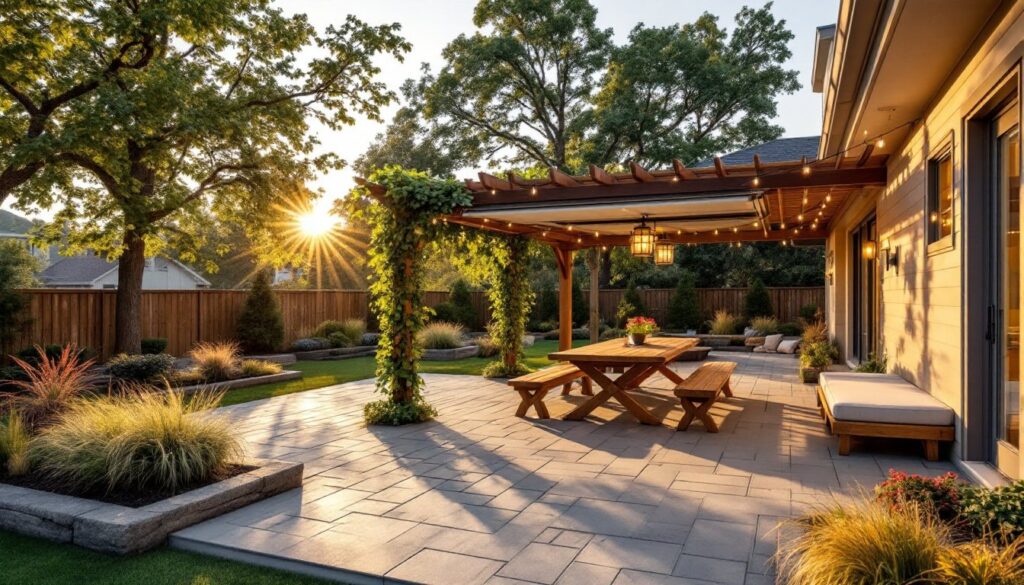
Beyond stools, add surrounding lounge seating, a couple of outdoor chairs or a small bench. This encourages people to linger, chat, and turns your bar into a gathering place. Pair the bar with outdoor speakers to elevate the entertainment experience and complete the atmosphere. Consider shade: a simple pergola or market umbrella attached to the bar frame keeps sun and some rain off patrons and protects the bar surface. A pergola adds $200–$500 in materials (pressure-treated lumber, fasteners, roofing material or shade cloth) but dramatically improves comfort and usability year-round.