Backyard sun shade is no longer a luxury, it’s essential for extending outdoor living season and protecting skin from UV rays. Whether you’re hosting a summer gathering or settling in with a book, the right shade solution transforms how you use your yard. From retractable awnings to DIY fabric covers, plenty of options exist for every budget and skill level. The key is matching the solution to your specific needs: Do you want permanent coverage or flexible shade? Are you renting or planning a long-term investment? This guide walks through seven proven approaches to help you find what works.
Key Takeaways
- Backyard sun shade solutions range from affordable shade cloth ($80–$150) to permanent structures like gazebos ($1,500–$4,000), making it easy to find an option that fits your budget and lifestyle.
- Retractable awnings and shade sails offer flexibility and modern aesthetics, with motorized versions providing convenience and smart home integration for those who deploy shade frequently.
- Natural shade from mature trees and living structures like vine-covered trellises provide low-maintenance, energy-efficient cooling that develops over time while protecting skin from UV rays.
- Shade cloth in varying densities (30–90%) blocks sunlight effectively and can be installed in a weekend with basic carpentry, making it ideal for renters and those on tight budgets.
- Proper installation foundations—such as posts set below the frost line in concrete—are critical for wind resistance and longevity in backyard sun shade structures.
- Gazebos and pergolas create defined gathering spaces with full or dappled shade options, with screened versions adding bug protection for year-round outdoor enjoyment.
Retractable Awnings and Pergola Shade Solutions
Retractable awnings offer the best of both worlds: full sun when you want it, complete shade when you need it. Mounted above a patio or deck, they roll out smoothly and tuck away during off-season, protecting them from wind and weather. Most come in widths from 8 to 16 feet and extend 6 to 10 feet forward. Look for commercial-grade acrylic fabric that resists fading and blocks 80–90% of UV rays.
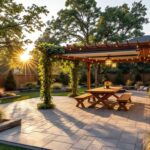
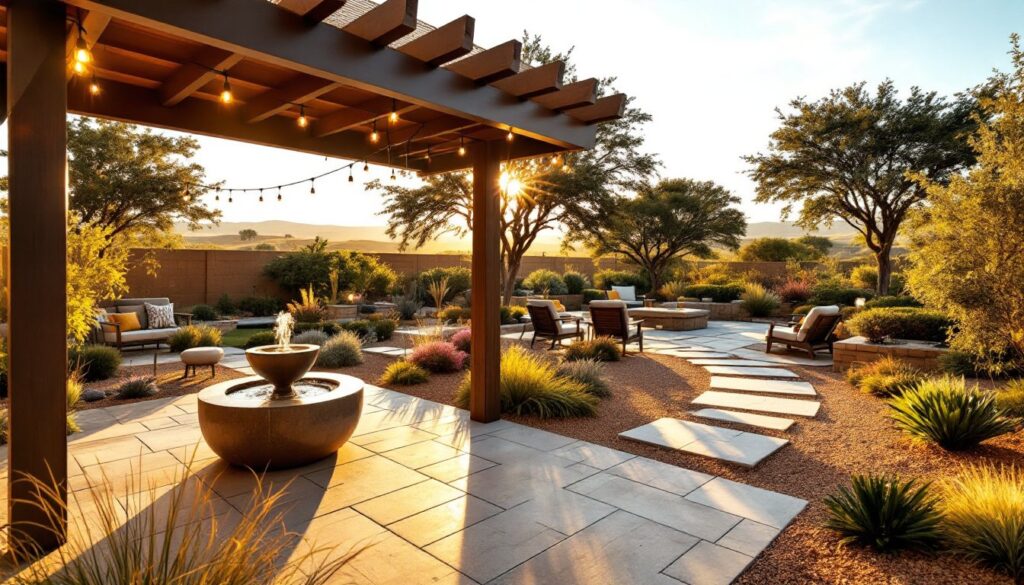
Pergolas, by contrast, are open structures with cross-beamed roofs that provide dappled shade while allowing air circulation. They’re ideal if you want filtered sunlight rather than full coverage. A basic 10×10-foot pressure-treated pergola runs $500–$1,500 in materials for a DIY build: motorized retractable awnings start around $1,200 and go up from there depending on size and features.
Choosing Between Motorized and Manual Retractable Awnings
Motorized retractable awnings cost more upfront, typically $2,000–$4,000 installed, but offer convenience and can integrate with smart home systems. Manual versions, with a hand crank or pull strap, cost half as much and require no electricity. The trade-off: you’ll be deploying and retracting by hand, which adds friction if you adjust frequently. Consider how often you’ll actually use it. If you’re deploying daily for months, motor convenience pays for itself in quality-of-life value. For occasional weekend use, manual works fine. Most motorized units come with a remote control and built-in wind sensor that automatically retracts in gusts over 20 mph, a smart safety feature. Pergolas require no power and work beautifully paired with climbing vines like clematis or jasmine for living shade that improves over years.
Shade Sails and Tensile Fabric Structures
Shade sails are high-strength polyester or HDPE fabric panels stretched between anchor points, usually posts, trees, or a house wall. They create modern, sculptural shade while allowing wind to pass through without creating a sail effect that could pull down posts (hence the name). A 16×16-foot shade sail covers roughly 200 square feet and blocks 85% of UV rays. Triangular and rectangular shapes are most common: angled installations shed water better than flat ones.
Installation requires sturdy anchor points and proper tensioning. Post-mounted systems need footings dug below the frost line (typically 36–48 inches in cold climates) set in concrete, critical for wind resistance. Pre-made kit systems run $400–$1,000 depending on size: professional installation adds another $500–$1,500. DIYers comfortable with basic carpentry and using a level can handle post setup: getting the fabric tension exactly right takes practice, so rent or borrow a tensioning tool. The payoff: shade sails look sharp, last 10–15 years with minimal maintenance, and cost less than a full awning or pergola. They also work on rental properties since posts can be removed without permanent damage.
DIY Shade Cloth and Budget-Friendly Fabric Covers
If your budget is under $200, shade cloth is your answer. It’s woven polyethylene fabric available in 30%, 50%, 75%, and 90% shade densities, the percentage indicates how much sunlight it blocks. A 50% shade cloth works well for most patios: 30% if you want dappled light: 90% if you need nearly complete darkness or grow heat-sensitive plants.
Attaching it requires simple framing: 2×2 or 2×3 lumber posts sunk in concrete, with the fabric attached using stainless steel cable, grommets, and carabiners. A 10×12-foot setup costs $80–$150 in materials. It’s straightforward enough for a weekend: dig postholes 24 inches deep, set posts in concrete, attach the fabric with carabiners so you can remove it seasonally. Shade cloth degrades over 5–7 years under UV exposure, but replacement fabric is inexpensive. A bonus: this approach works for vegetable gardens, too, extending growing season into heat waves. Install posts far enough apart to avoid blocking views, or angle them at corners rather than along sightlines.
Natural Shade: Trees and Living Structures
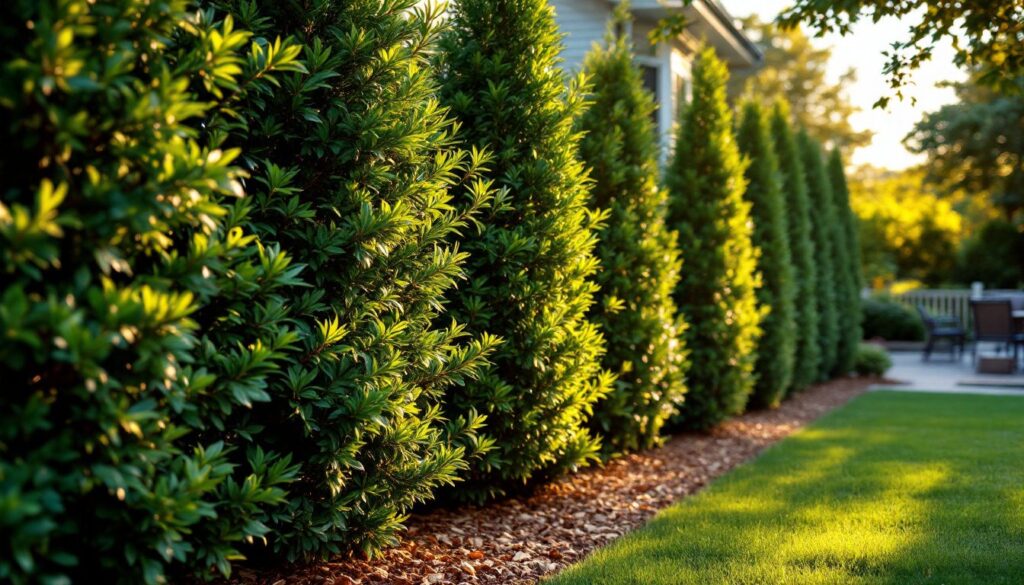
Nothing beats mature trees for lasting, low-maintenance shade. Planting shade trees for your patio takes patience, most don’t reach full size for 10–15 years, but the payoff is permanent, energy-efficient cooling. Deciduous trees like oaks, maples, and elms let winter sun through while blocking summer rays. Evergreens provide year-round coverage if that fits your needs.
If you’re not starting from scratch, shade trees for patio options include understory trees (20–30 feet tall) planted 15–20 feet from your patio. Locate them on the western or southwestern side where afternoon sun is strongest. Fast-growing options like tulip poplars or willows can reach useful shade size in 5–8 years, though they’re shorter-lived than oaks. Check local soil conditions and water availability: a tree struggling in drought provides poor shade and weakens fast.
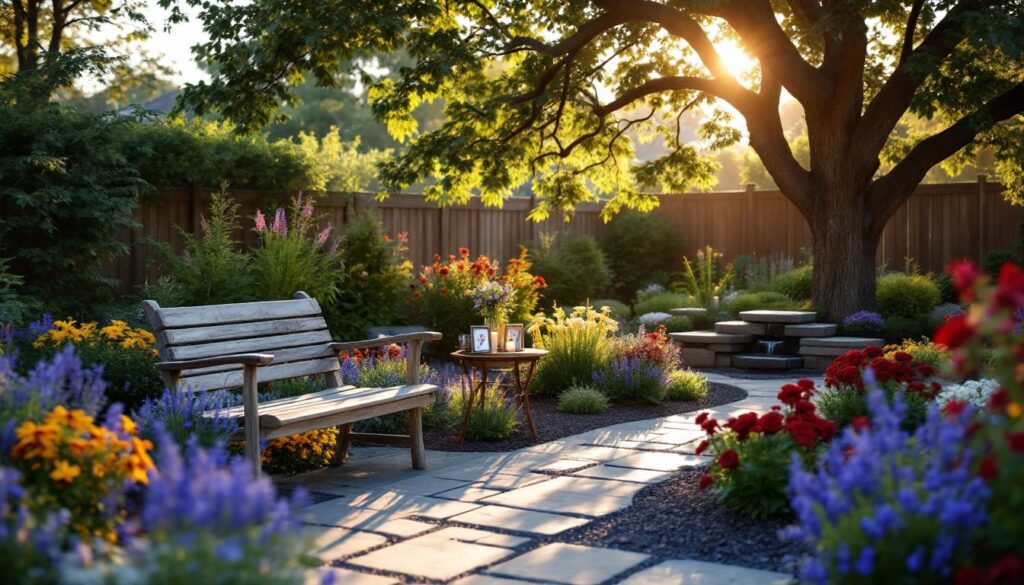
Living structures pair trees with vine-covered trellises or arbors. Climbing ivy, grapevines, or pole beans grown on a sturdy frame create leafy shade in a single season. This hybrid approach works well if trees are immature: the vines shade you now while trees mature above. Cost is minimal, $50–$150 for materials and seeds, making it ideal for tight budgets. Just ensure your trellis frame is rated for the weight of mature vines and tied-down fruit like grapes, which get heavy.
Gazebos and Permanent Shade Structures
A gazebo is a freestanding roofed structure that provides full, dependable shade without requiring attachment to your home. They range from small 8×8-foot open pavilions to elaborate 12×16-foot screened models. Most homeowners install them in a corner or edge of the yard to define a gathering space.
Prefab metal gazebos cost $800–$2,500 and go up in a day with basic tools and a second pair of hands. Wood gazebos run $1,500–$4,000 in materials for DIY builds: they look warmer and age beautifully but require regular staining and maintenance. Either way, set it on a solid foundation, concrete pad, gravel base, or piers sunk below frost line. A level, stable base prevents the roof from racking (twisting) and doors or screens from sticking.
Gazebos with solid roofs provide the most protection, though some airflow is lost. Open-sided versions with lattice work well where you want light and breeze. If you live in an area with heavy snow, a pitched roof sheds load better than a flat one, check local building codes for snow load requirements. Screened gazebos add another $500–$1,200 for materials but let you enjoy shade without bugs. For renters or those wanting flexibility, consider a pop-up canopy (10×10 feet, $80–$300) as a temporary alternative, though it won’t survive high winds without guy-lines and stake-down anchors. A complete backyard makeovers on a budget guide breaks down how to integrate these structures into your broader outdoor plan.
Conclusion
Backyard sun shade solutions range from quick shade cloth ($80–$150) to permanent gazebos ($1,500–$4,000), so there’s an option for every budget and commitment level. Consider how often you’ll use it, how much permanent vs. flexible coverage you need, and whether you want to invest sweat equity in DIY installation. Pair your shade solution with creative DIY backyard projects to create a cohesive outdoor oasis. The right shade doesn’t just make summer more enjoyable, it protects your family’s skin, cools outdoor living spaces, and adds lasting value to your home.