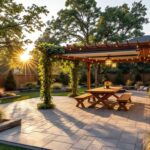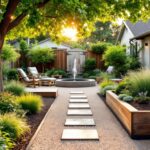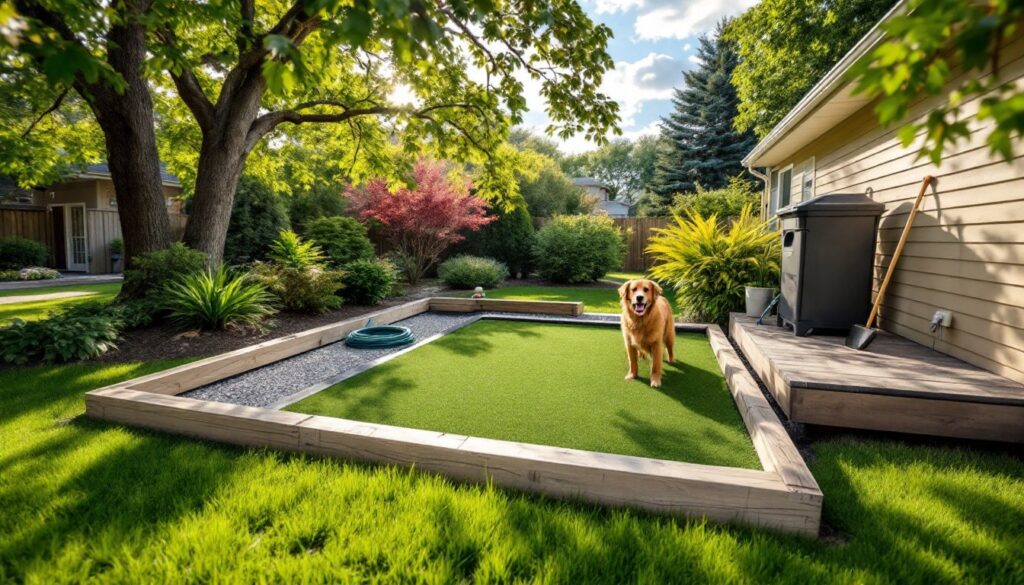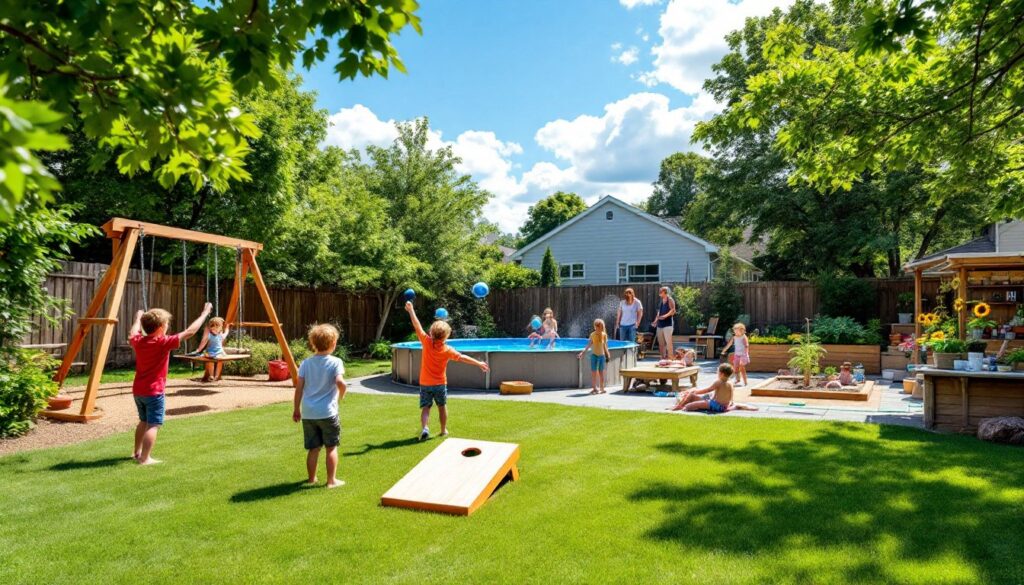

A well-designed backyard isn’t just about aesthetics, it’s about creating space where kids and adults actually want to spend time. Whether you’ve got a sprawling suburban lot or a modest urban yard, backyard play ideas can turn unused grass into an activity hub that beats screen time every time. The good news? You don’t need a professional landscaper or a five-figure budget to pull it off. From classic lawn games to DIY structures and water features, there are practical, budget-friendly ways to design a backyard that keeps everyone entertained year-round. This guide walks you through seven proven approaches to maximize your outdoor space for play and connection.
Key Takeaways
- Backyard play ideas transform unused outdoor space into an entertainment hub without requiring a professional landscaper or large budget.
- Classic lawn games like cornhole, horseshoes, and ladder toss work across all ages and require minimal setup on level ground.
- DIY play structures built with pressure-treated lumber, galvanized hardware, and proper safety surfaces cost half the price of store-bought kits while meeting local building codes.
- Water play zones including above-ground pools, splash pads, and slip-and-slides need constant adult supervision and daily maintenance to prevent mosquito breeding.
- Garden-based activities and nature play stations—raised beds, log piles, and bug hotels—keep kids engaged while teaching responsibility and environmental awareness.
- Upcycled materials like wooden pallets, old tires, and PVC pipe create budget-friendly play structures that encourage creativity and cost under half the price of manufactured alternatives.
Classic Games and Lawn Activities for Year-Round Fun
Sometimes the simplest backyard play ideas deliver the most reliable fun. Classic lawn games like cornhole, horseshoes, and ladder toss require minimal setup and work across age groups, from young kids learning hand-eye coordination to adults enjoying weekend entertainment.
Cornhole sets up in any open yard: two boards with holes spaced 27 feet apart, and bean bags tossed underhand. A regulation board costs $50–$150, but DIYers can build one from plywood, 2×4 framing, and felt-lined holes in an afternoon. Horseshoes (metal stakes driven 40 feet apart) runs even cheaper and works in tighter spaces. Ladder toss, three rungs suspended between two frames, combines competition with portability.
Flatness matters more than size. An uneven lawn throws off aim and frustrates players fast. Before setting up permanent game zones, mow, remove debris, and level any dips. If your yard slopes noticeably, consider a small leveled pad from compacted sand or gravel, nothing fancy, just 10–12 feet of solid, even ground.
Rotate games seasonally or keep multiple setups to prevent wear patterns. An Outdoor Games Corner: Transform provides strategies for organizing multiple play stations without the yard looking cluttered. Painted targets or course markers (chalk works fine) guide players and add visual structure without permanent modifications.
DIY Play Structures: Building Accessible Fun for All Ages
A swing set, sandbox, or climbing structure becomes the centerpiece of any active backyard. Store-bought kits range from $200 to $2,000+, but many DIYers build comparable structures for half the cost using pressure-treated lumber, galvanized hardware, and basic tools.
Before breaking ground, check local building codes. Some municipalities require permits for permanent structures or setback distances from property lines. Call your local building department, a five-minute conversation saves headaches later. Most codes also specify fall-zone requirements: swings typically need 9 feet clear space in the direction of swing travel, plus 4 feet to the sides.
Creating a Safe Play Foundation
Safety starts with the ground surface. Grass alone doesn’t cut it, kids fall, and hard ground causes injuries. Install engineered wood fiber (EWF) or rubber mulch under and around structures. Aim for a depth matching the structure height: 6 inches of EWF for a 4-foot climber, 9–12 inches for swings. A 10×10-foot area costs $150–$400 depending on material.
Use pressure-treated 4×4 posts sunk at least 24–30 inches into the ground, set in concrete footings for stability. Bolted joints (never nailed) handle stress better. Galvanized bolts, washers, and lock nuts resist rust far longer than plain steel and cost a few dollars more per fastener, worth it for durability.
Install swings with chains or ropes rated for at least 250 pounds (even for light kids, the shock load matters). Check hardware monthly, especially at bolt connections, for looseness or corrosion. A wobbly structure signals a problem that needs immediate attention before anyone gets hurt.
Consider age-appropriate designs: toddlers need lower platforms and gentler slopes: older kids handle higher climbs and longer slides. Mixing ages in one structure? Default to the younger child’s safety limits.
Water Play Zones and Summer Cooling Stations
Water play transforms hot months into outdoor draw time. A backyard doesn’t need an in-ground pool to deliver splash-zone fun. Above-ground pools, splash pads, slip-and-slides, and simple sprinkler setups all work.
Above-ground pools start around $200 for small frame pools (10–12 feet diameter, 2–3 feet deep) and go up from there. Setup takes a few hours on level ground. Bury drain lines in shallow trenches to keep the yard tidy. Size matters: a 10×30-foot area provides changing space, seating, and deck room without eating the whole yard. Maintenance (chlorine, filters, pH testing) is ongoing but manageable, budget 10–15 minutes daily during use.
Inflatable splash pads (5–10 feet across) cost $40–$120 and need only a hose connection. No pumps, no chemicals, no drain. Kids play with just inches of water, and drainage happens through a simple valve. Perfect for renters or those wanting reversible fun.
DIY slip-and-slides use heavy plastic sheeting, stakes, and a garden hose. Lay plastic on a gentle slope, anchor corners and edges, run water along the top. Cost runs $20–$40. Supervise closely, kids slide fast, and impacts with hard ground hurt.
All water play needs full supervision. Never assume kids are safe because water looks shallow. One adult, eyes locked on the zone, is the rule. Set clear boundaries, no running from water play into tree zones. Drain water daily if not using chlorine. Stagnant water breeds mosquitoes in 48 hours. Install the water source (faucet, hose reel) away from play zones to prevent tripping hazards.
Garden-Based Activities and Nature Play
Kids who grow things stay engaged outdoors. A simple garden plot, even 4×8 feet, teaches patience, responsibility, and where food comes from. Pair gardens with nature play stations to round out outdoor time.
Raised garden beds (built from 2×10 or 2×12 lumber, or purchased composite kits) cost $40–$150 and need only soil and seeds. Kids love planting fast-growers like radishes (ready in 3–4 weeks), sunflowers, or zucchini. Label everything clearly so kids know what’s what. Include a small water source, a soaker hose or drip line cuts daily watering to five minutes.
Nature play zones blend learning with low-structure fun. Designate a corner for a log pile (loose branches, sticks), a shallow digging area with sand, and a small “bug hotel” (a stacked wood structure filled with bark, straw, and leaves). Kids build forts, hunt insects, and explore without manufactured toys. Resources like The Spruce offer detailed guides for nature-based backyards and gardening with kids.
Keep some wild zones. Not every inch needs raking and edging. A small unmowed patch with clover, dandelions, and native plants attracts pollinators and gives kids something to observe. It also cuts maintenance time.
Add a small potting bench, a simple shelving unit, where kids can pot seedlings or tinker. A sitting log, stump seats, or a picnic bench creates a gathering spot where conversations happen naturally. Nature play doesn’t require fancy setups: it thrives on access, supervision from a distance, and permission to get dirty.
Low-Budget Upcycled Play Ideas for Budget-Conscious Homeowners
Some of the best backyard fun costs almost nothing. Upcycling transforms discarded items into play structures and activity stations.
Pallet structures (reclaimed wooden pallets) stack and bolt into climbing ramps, balance beams, or sandboxes. Free or cheap from grocery stores, restaurants, or online listings, pallets just need inspection for rot and nail removal. Sand sharp edges, and apply exterior stain if desired. Secure stacking with bolts, never nails alone. A sandbox from four pallets and landscape fabric costs $10–$20 total.
Tire swings and stacks use old car or tractor tires. Hang one from a rope for swinging (secure the rope with a trucker’s hitch knot, not magic, just reliable). Stack three or four tires, fill with sand, and you’ve got a stepping obstacle course. Paint tires bright colors for visual appeal. Check that rope hardware can handle sudden weight: a carabiner-and-chain setup beats knots for safety.
PVC pipe structures (joints, couplers, end caps) build obstacle courses, teepees, or frames for fabric tunnels. PVC is cheap, lightweight, and easy to reconfigure. A basic teepee frame (eight 8-foot pipes, joined at the top with a coupling) costs under $40. Drape a bedsheet over it for a play tent.
Rope courses between trees (if trees are sturdy and spaced 10–15 feet apart) create balance challenges. Use climbing-grade rope (not clothesline), secure with proper knots or tree straps, and test with adult weight first. Never wrap rope around branches in ways that girdle bark: tree straps distribute pressure safely.
Budget builds do require more labor and occasional refinement. Inspect regularly, upcycled materials wear faster than new. Replace rope annually if it sees heavy use. But the cost savings and creativity involved often make DIY upcycled play zones memorable for kids in a way store-bought doesn’t.
Conclusion
Backyard play ideas don’t require professional design or unlimited budgets. Start with what fits your space and style, a few classic lawn games, a DIY swing set, a splash pad, or a garden plot. Combine approaches, adapt as needs change, and prioritize safety over perfection. The goal is simple: a yard where people choose to be. When your backyard becomes the neighborhood gathering spot, you’ll know the investment paid off.