
A well-designed walkway does more than connect point A to point B, it ties your entire backyard together and sets the tone for how guests experience your outdoor space. Whether you’re working with a postage-stamp yard or sprawling acreage, the right paver pattern can define style, create visual flow, and add genuine value to your home. Backyard paver walkway ideas range from traditional to contemporary, and most are surprisingly achievable for motivated DIYers. This guide walks you through seven proven designs that work in 2026, plus practical tips for installing them yourself.
Key Takeaways
- A well-designed backyard paver walkway pattern—from herringbone to linear designs—transforms your outdoor space by creating visual flow and adding home value.
- Proper base preparation with 6–8 inches of excavation, 2 inches of compacted base, and 1 inch of sand bedding prevents settling and frost heave, ensuring your walkway lasts 20+ years.
- Herringbone patterns demand precision and extra materials (10–15% waste), while linear designs are easier for DIYers and require fewer cuts and less time.
- Rustic stone pathways and mixed-material combinations (pavers with gravel, timber, or concrete) offer budget-friendly alternatives that add texture and visual interest to backyard designs.
- Curved walkways create an organic feel and make small yards appear larger, but require a 10–15 foot radius and more cutting to avoid excessive material waste.
- Renting specialized tools like plate compactors ($50–75/day) and wet saws ($40–60/day) saves money and effort over hiring contractors or purchasing equipment outright.
Classic Herringbone Pattern for Timeless Appeal
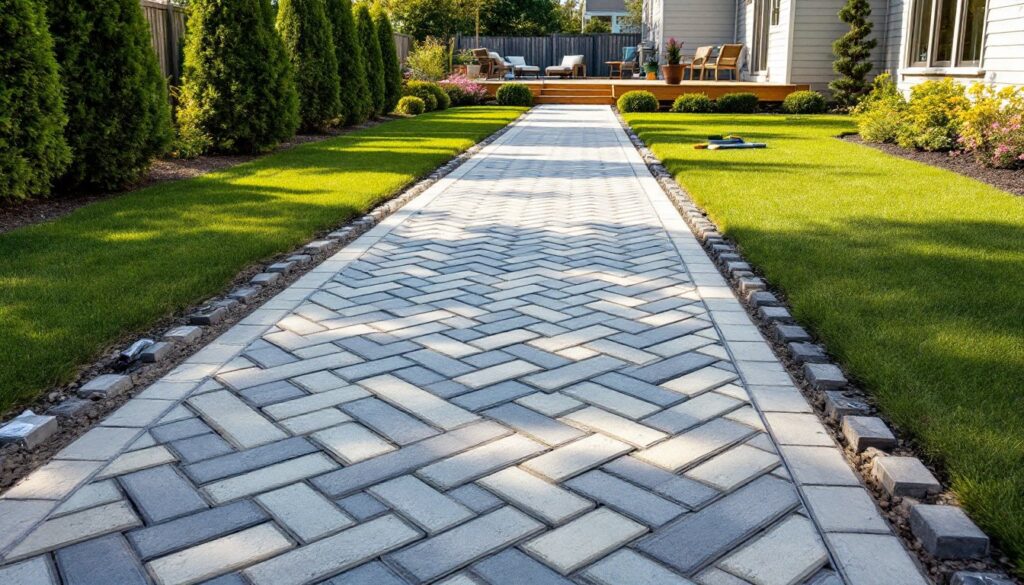
The herringbone pattern remains a go-to for good reason: it’s elegant, time-tested, and works with nearly every home style. Two rectangular pavers laid at 45-degree angles to one another create that distinctive V-shape that repeats down the walkway. This pattern is part of the appeal, your eye naturally follows it, which makes even a short path feel intentional.
Herringbone demands precision in layout and cutting. You’ll need a wet saw (or tile saw with a masonry blade) to trim pavers at the edges so the pattern closes cleanly. Start by snapping chalk lines to establish your walkway width and centerline: this keeps you from drifting mid-project. Lay a 1-inch bedding layer of compacted sand, then set each paver with a mallet, checking level every few courses. The pattern creates plenty of waste, figure on 10–15% extra pavers for cuts and breakage.
Unless your soil is already well-draining, excavate 6–8 inches and add a 2-inch compacted base (crushed limestone or recycled asphalt). A proper base prevents settling and frost heave in winter climates. Herringbone works beautifully with 6×12-inch pavers or larger: smaller formats get fiddly and look choppy from a distance.
Modern Linear Design with Clean, Contemporary Lines
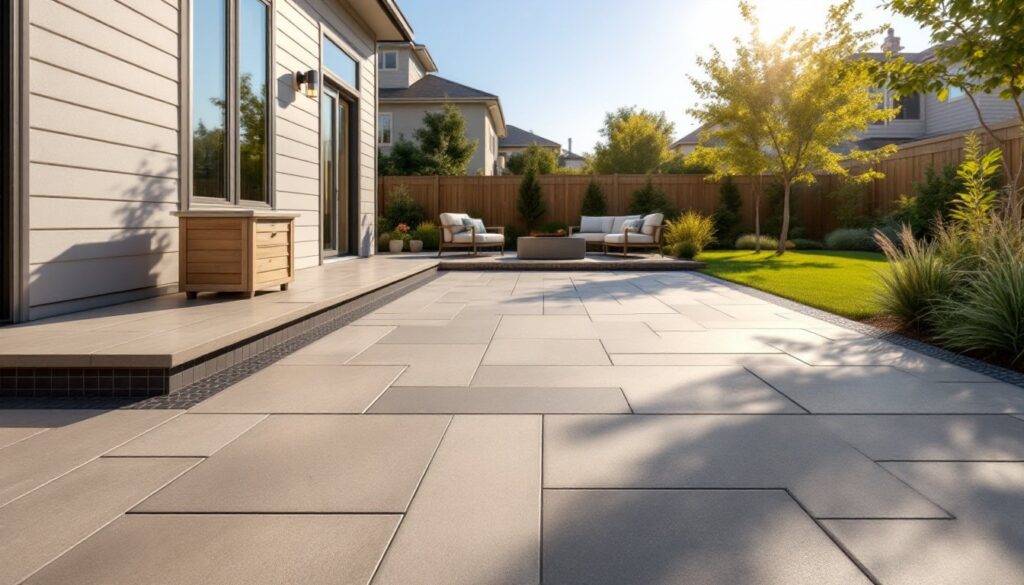
If your home leans minimal or modern, straight-running pavers in uniform sizes deliver exactly what you need: restraint. Linear designs use running-bond (offset, like brickwork) or simple in-line patterns that emphasize horizontals and make the walkway feel like a deliberate architectural element rather than an afterthought.
Choose large-format pavers (12×24 inches or bigger) in neutral tones, charcoal, light gray, or warm taupe. Larger pavers mean fewer grout joints and a cleaner visual line. A running-bond pattern offsets each row by half a paver width, which distributes load more evenly and looks less monotonous than stacking. For extra impact, vary the width of grout lines (¼ to ½ inch) to create shadow lines that emphasize the geometry.
Linear designs are the easiest to lay and cut waste. Snap chalk lines to mark your edges, then lay pavers in rows from one end to the other. You’ll cut fewer pavers, typically only along edges, and the project moves faster. Polymeric sand (which hardens when wet) gives a finished look and prevents weeds: regular sand requires more maintenance but costs less. Modern patios and decks pair beautifully with linear walkways as part of a cohesive home landscaping design.
Rustic Stone Pathway for Natural, Cottage-Style Charm
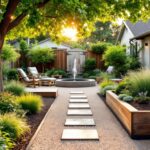
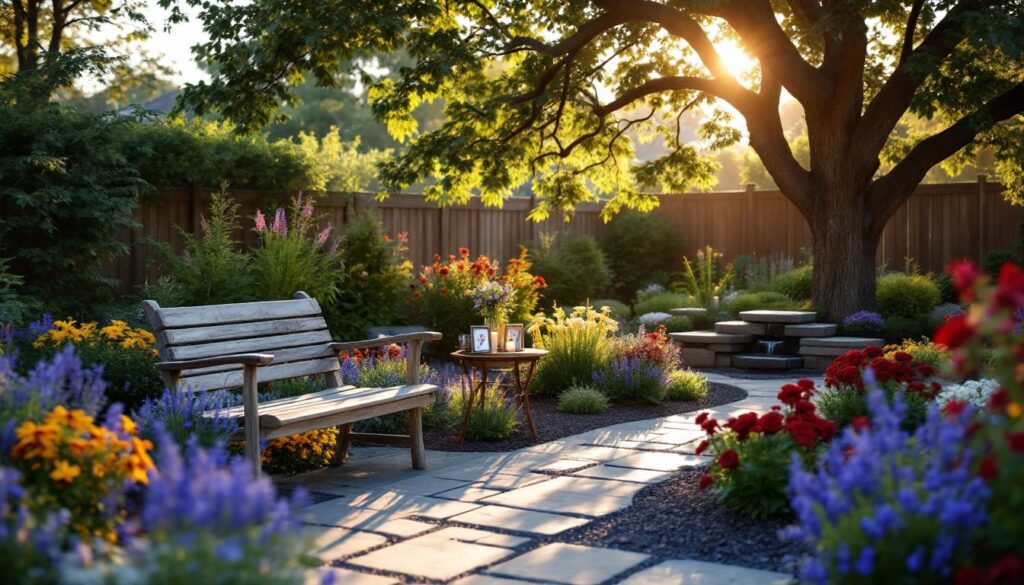
Irregular flagstone or cut limestone pieces laid in a random pattern scream cottage garden and natural ease. Unlike uniform pavers, each stone is unique, colors, thickness, and dimensions vary, which is exactly the point. This is the walkway style for yards with wildflowers, climbing vines, or a relaxed, less-is-more ethos.
Source flagstone locally if you can: it’s heavy (transport adds cost fast), and regional stone blends better with existing landscaping. Expect thickness to vary from ½ inch to 2 inches: lay thicker stones as the base course to handle settling. Lay out your stones before setting them permanently, arranging them like a puzzle so joints are tight and no stone sits isolated. Small gaps are fine and add charm: huge voids look sloppy.
Use a ½-inch sand bed for thin flagstone: thicker pieces can sit on a full 2-inch bedding layer. Tap each stone level with a rubber mallet. The irregular joints mean more grout work if you choose to mortar them (easier in wet climates to prevent weed intrusion), but sand-set pathways with creeping thyme planted in cracks are perfectly functional and more forgiving of imperfect joints. A rustic stone approach pairs naturally with backyard landscaping themes that embrace natural materials.
Mixed Material Combinations for Visual Interest
Combining pavers with other materials, gravel, brick, concrete, timber, creates texture and breaks monotony. A 4-foot-wide paver border with a center strip of fine crushed stone or recycled mulch is a classic combo that saves money while looking intentional. Pavers alone can feel sterile: adding visual variation keeps the eye engaged.
Common pairings include pavers-and-gravel, pavers-and-timber (railroad ties or composite boards as edging), and paver-borders-around-stepping-stones. Timber is not load-bearing for a walkway but works as a visual break and edge definition. If using wood, choose rot-resistant species like cedar or composite: untreated softwood rots in 3–5 years. Gravel requires yearly raking and eventual replacement but costs pennies compared to pavers.
When combining materials, make sure edges align and heights match (or transition smoothly with a beveled edge or slope). A ½-inch step between materials is usually unnoticeable: ¾ inch or more becomes a trip hazard. If edging wood or metal, secure it with landscape spikes or galvanized fasteners: rust stains from cheap hardware ruin the look. Mixed-material designs work especially well on budget-conscious backyard makeovers where you stretch materials creatively.
Curved Walkways That Flow With Your Landscape
Straight lines feel formal: curves feel organic. A gently curved pathway guides the eye and makes even a small yard feel larger because you can’t see the entire path at once. Curves work best where landscape features naturally dictate them, wrapping around a tree, flowing down a slope, or guiding visitors from patio to pool.
Lay out the curve with a garden hose or chalk before you cut a single paver. Step back and look from your main viewing angle (usually the back door): the curve should feel natural, not forced. Avoid tight radius curves (less than 6 feet) with large pavers: you’ll waste too much material cutting wedges. Radius curves of 10–15 feet work smoothly and look elegant.
Curved walkways require more cuts because pavers must angle inward as you follow the curve. Use a wet saw and work slowly, these cuts are tedious but worth the result. Edge pavers along the curve perimeter get the most attention: cut them first and test the fit before committing. A curved walkway leading to creative DIY backyard projects like fire pits or seating areas creates natural focal points and traffic flow.
Budget-Friendly DIY Installation Tips
You don’t need a contractor to lay a beautiful walkway, but you do need patience and the right tools. Rent a plate compactor (about $50–75 per day) rather than buying one: it transforms base prep from backbreaking to manageable. A wet saw rental runs $40–60 per day and saves countless hand cuts. Both are non-negotiable if you’re cutting more than a handful of pavers.
Buy pavers in bulk directly from suppliers rather than big-box stores, pricing drops significantly for full pallets. Check delivery fees: sometimes a pallet costs less to truck than to buy individually. Shop clearance sales for discontinued colors: slight color variation actually adds character. Standard concrete pavers cost $1–3 per square foot: natural stone runs $5–15 per square foot depending on type.
Skip the fancy base edging: metal or plastic landscape edging costs more than it’s worth and often doesn’t sit flush. Instead, compact your base layer right up to your chalk line and cut pavers flush to the edge. Most failure comes from skipped prep work, digging shallow, using no base, or laying pavers directly on soil. Invest the effort in a 6-inch minimum excavation, 2 inches of compacted base, and 1 inch of sand bedding. Hardscaping design principles emphasize that walkway width matters too, 4 feet is ideal for two people side-by-side: 3 feet works for narrow spaces but feels cramped. Wear knee pads, gloves, and eye protection when cutting or tamping: dust masks are essential if using a power saw. Start early in the morning and work in shorter spurts, laying pavers is repetitive and fatiguing.
Conclusion
A paver walkway transforms how you move through and perceive your backyard. Choose a pattern that matches your home’s style, invest in proper base preparation, and don’t rush the layout. Most homeowners can handle a straightforward linear or rustic design over a weekend: herringbone and curves demand more skill but remain achievable with focus. Your walkway will serve you, and visitors, for 20+ years if you build it right. Start planning your design today.