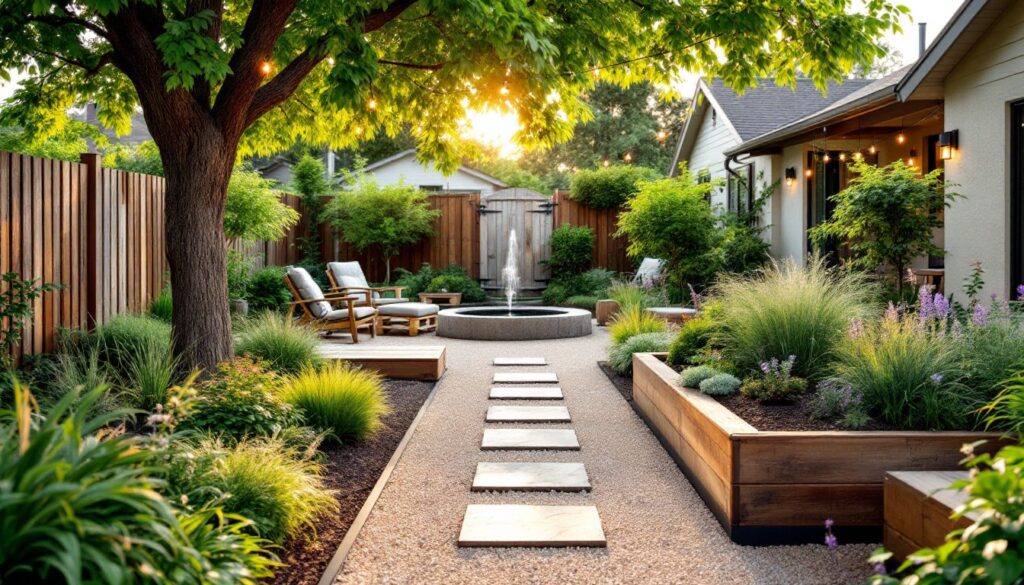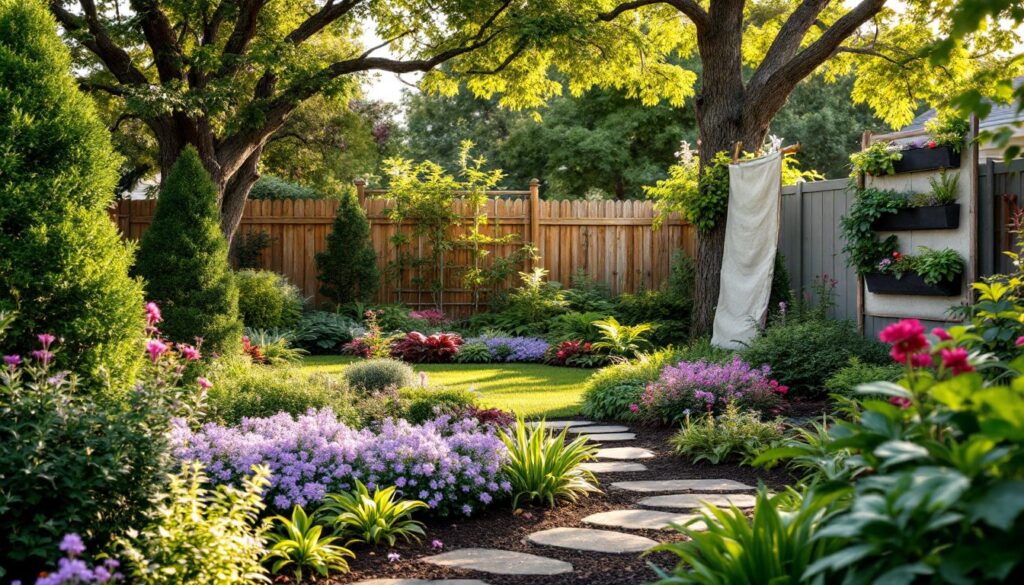

Building a functional backyard that looks good year-round doesn’t require a landscape architect or a five-figure budget. The key is choosing the right plants for your space, climate, and maintenance level. Whether you’re working with a postage-stamp lot in the suburbs or a sprawling property, thoughtful plant selection can transform your outdoor area into an inviting extension of your home. This guide covers practical plant ideas that work in small spaces, provide seasonal color, handle shade, support local ecosystems, and even feed your family. Think of plants as the foundation of any backyard project, get this right, and everything else falls into place.
Table of Contents
ToggleKey Takeaways
- Backyard plant ideas succeed when you assess your space’s sunlight, soil, and drainage first—then select plants suited to those conditions rather than fighting your environment.
- Small backyards benefit from compact ground covers like creeping phlox and dwarf shrubs, vertical gardening solutions like trellises and wall planters that maximize limited space without demanding constant maintenance.
- Year-round color requires layering bloom times strategically—spring bulbs, summer annuals and perennials, fall foliage, and winter-interest evergreens and ornamental grasses work together to keep your backyard visually engaging in every season.
- Shade-loving plants like hostas, hellebores, and ferns thrive in areas where sun-loving plants fail, so embrace shade with appropriate plant selection rather than removing mature trees that define your garden structure.
- Native plants adapted to your region’s climate reduce water and fertilizer needs while supporting local pollinators, birds, and beneficial insects—creating a low-maintenance, wildlife-friendly ecosystem.
- Mixing edible plants like herbs, vegetables, and fruit-bearing shrubs into ornamental landscapes transforms your backyard into productive food-growing space without sacrificing aesthetics or requiring a dedicated vegetable garden.
Best Plants For Small Backyards
Small spaces demand smart plant choices. Rather than cramming in shrubs that’ll outgrow their bounds, focus on species that stay compact and earn their square footage through year-round interest or practical use.
Start by assessing what you actually have: sunlight hours, soil condition, and drainage patterns. Wet clay soil and bright afternoon sun require completely different plants than dappled shade under an oak tree. Measure your space honestly. If your backyard is 15 feet wide, a plant labeled “matures to 12 feet” won’t work, you’ll spend years fighting it or removing it.
Low-Maintenance Ground Covers And Shrubs
Ground covers replace turf in shaded or difficult-to-mow areas while reducing maintenance. Creeping phlox thrives in partial shade, blooms in spring, and spreads slowly without becoming invasive. Creeping thyme works in sunny, well-drained spots and tolerates foot traffic, useful if your path crosses it occasionally. Both outcompete weeds once established.
For evergreen backbone, consider compact shrubs like dwarf Alberta spruce (3–4 feet tall, stays neat without shearing) or boxwood (slow-growing, dense, easily shaped if you want it trimmed). Japanese pieris offers year-round foliage plus dangling spring flowers and handles shade gracefully.
These aren’t flashy, but they form the bones of a small backyard. They suppress weeds, provide privacy from neighbors, and won’t demand constant pruning. Plant them 2–3 years before expecting mature appearance: rushing installation by planting too closely wastes money and creates tangled growth you’ll regret.
Vertical Gardening Solutions For Limited Space
When ground space is limited, grow up. Trellises, wall-mounted planters, and vertical garden systems multiply usable growing area without consuming precious square footage.
Clematis vines cling to trellises with minimal support, produce masses of flowers in summer, and many varieties perform well in part shade. Train them on a fence or freestanding structure to block views or create instant screening. Climbing hydrangea works similarly but takes 3–4 years to establish before flowering: patience pays off with white lacey blooms and burgundy fall foliage.
Wall-mounted planters or shoe organizers, yes, fabric shoe holders work great, hold small ornamentals, succulents, or herbs. Mount them on a south-facing fence for maximum impact. Vertical strawberry planters or tower gardens concentrate berry production in a 2-foot footprint. Pole beans and peas climb twine or trellis, produce food, and take up negligible ground space. A 4-by-8 trellis can yield 15–20 pounds of snap peas in spring.
Creating Year-Round Color With Flowering Plants
Seasonal color matters psychologically. A backyard that looks dead from November through February feels depressing: one that delivers visual interest in every season keeps you engaged with your space.
Spring bloomers like tulips, alliums, and bleeding heart wake up the garden. Plant bulbs in fall (October–November in most climates): they need cold dormancy to flower. Tulips perform best as annuals in most zones, pull them after blooming rather than expecting reliable returns year two.
Summer is easier. Annual marigolds, zinnias, and coneflowers flower nonstop until frost without deadheading (though removing spent blooms extends the show). Plant these after your last frost date: mail-order nurseries provide zone-specific dates. Perennials like salvia, daylily, and Russian sage return yearly and require minimal fussing. Plant perennials in spring or early fall, not mid-summer when they struggle to establish.
Fall color comes from foliage and late bloomers. Ornamental grasses like feather reed grass and autumn sage deliver structure and visual punch as cooler temps intensify their colors. Sedum and asters flower into November in many climates.
Winter structure matters. Evergreen shrubs, ornamental grasses left standing (they’re attractive and insulate roots), and shrubs with colorful bark like red-stemmed dogwood or golden willow provide winter interest when deciduous plants sleep. In colder zones, a birch or acer (maple) with distinctive bark does the heavy lifting.
Don’t expect nonstop color everywhere. Grouping like plants in drifts (three to five of the same variety in clusters, not scattered) reads as intentional rather than random. Five blue salvias together make an impact: one blue salvia surrounded by other plants disappears. Creating year-round color requires layering bloom times strategically so something’s always interesting.
Shade-Loving Plants And Trees For Backyard Coverage
Many backyards have significant shade. Rather than fighting it with sun lovers that’ll decline, embrace shade with plants that thrive there.
Hostas are the workhorses of shade gardening. Hundreds of varieties exist, some with blue-tinged foliage, others with gold margins or variegated patterns. Mature size ranges from 12 inches to 4 feet, so choose accordingly. Deer browse hostas in some areas but ignore them elsewhere: regional wildlife patterns matter. Plant them in spring and they’ll expand reliably for decades.
Hellebores (Christmas roses) bloom midwinter in many zones when little else flowers. They tolerate deep shade under established trees and reward you when snow still covers the ground. Ferns add textural variety and prefer moist shade. Japanese painted fern offers blue-grey foliage and handles dry shade better than most ferns.
Understory trees like redbud, serviceberry, and dogwood grow beneath taller oaks or pines, providing midlevel structure and flowers without requiring full sun. Serviceberry fruits support birds: redbud flowers magenta in spring. These aren’t fast growers (expect 15–20 years to maturity), but they’re worth planting for your successors if not yourself.
For dense shade, shade tree gardens can still bloom if managed properly. Shade-tolerant plants include astilbe (feathery foliage and flowers), brunnera (heart-shaped leaves and small blue flowers), and epimedium (spring interest, fall color). Shade beneath shallow-rooted trees like maples is brutal: improve soil with 3–4 inches of compost before planting, and water regularly the first season. Once established, these plants ask little.
Don’t try to convert deep shade to sun. Removing a mature tree destroys the entire garden structure. Work with shade, not against it.
Native Plants That Support Local Wildlife And Thrive Naturally
Native plants are adapted to your region’s rainfall, temperature swings, and soil conditions. Once established, they typically need less water, fertilizer, and pest management than non-native ornamentals. They also support local pollinators, birds, and beneficial insects, the backbone of functional ecosystems.
Find your native plants through your state’s native plant society (searchable online) or your county extension office. Local nurseries increasingly stock regionals: buying from growers in your area ensures genetic adaptation to your exact climate.
In eastern woodlands, natives include black-eyed Susan, bee balm (buzzing with pollinators), coneflower, and wild bergamot. These plants aren’t delicate, they’re tough, spreading steadily and flowering reliably.
Western and prairie regions benefit from penstemon, blanket flower, sage, and buffalo grass. These thrive in lean soil and low water, making them ideal for anyone tired of supplemental irrigation.
Pacific Northwest gardens lean on Oregon grape, currants, and manzanita, which handle shade and moisture. Mahonia is evergreen and fragrant, a serious plant, not a prop.
Native shrubs and trees like serviceberry, hawthorn, viburnum, and regional oak species produce berries and seeds that feed birds through fall and winter. A backyard of natives will host more wildlife than an equivalent space of ornamentals, you’ll see butterflies, bees, and birds doing actual work in your garden instead of just looking pretty.
Native plantings support local wildlife while asking far less of you. That’s the definition of smart landscaping.
Edible Backyards: Growing Vegetables And Herbs At Home
Mixing edibles into ornamental landscapes makes backyards productive without requiring a dedicated vegetable garden. Many food plants are beautiful, ‘Red Burgundy’ okra with crimson flowers, Swiss chard in rainbow colors, trailing herbs spilling from containers.
Herbs belong near the kitchen. Plant basil, oregano, thyme, and rosemary in a tight cluster where you’ll brush past them regularly and harvest sprigs for cooking. Basil is annual: plant it after frost danger passes and enjoy it through summer, then replant next year. Rosemary, oregano, and thyme are perennial in warmer zones but potted and overwintered indoors in cold climates, it’s easier than replanting yearly.
Vegetables in mixed borders work if sited properly. Cherry tomatoes need 6–8 hours of direct sun: a cage or trellis takes up less space than sprawling plants. Blueberries are ornamental, burgundy spring growth, white flowers, summer berries, red fall color, and handle partial shade. One plant doesn’t produce much: two or three planted together cross-pollinate and yield 4–6 pounds per mature plant.
Container growing expands possibilities. A 5-gallon bucket grows one tomato, pepper, or eggplant. Smaller pots hold lettuce, spinach, or trailing herbs. Containers dry faster than ground soil, especially in summer heat, so plan for daily watering. Use potting mix (not garden soil, too heavy and compacts in containers).
Raised beds dedicated to vegetables separate them visually from ornamentals while making access easier, no bending to ground level. A 4-by-8-foot bed roughly yields dinner vegetables for a family of four from June through September, depending on what you plant. Small-scale vegetable growing integrates beautifully into backyard makeovers, turning outdoor space into functional food production without sacrificing aesthetics.
Garden success comes from sunlight first. Most vegetables need 6–8 hours of direct sun. If your yard is mostly shade, embrace herbs, leafy greens, and edible shade plants like ramps and mushrooms, yes, mushrooms grow in shade and produce for years with minimal care.