A backyard doesn’t need a five-figure budget to become a functional, inviting retreat. Smart planning and hands-on work can turn neglected outdoor space into somewhere you’d actually spend time, whether that’s weekend mornings with coffee or evening gatherings with neighbors. This guide walks through practical backyard design ideas on a budget, covering layout strategy, DIY hardscaping, affordable plant solutions, budget seating, and lighting tricks. Most of these projects require basic tools and weekend-level effort, though a few benefit from a second set of hands or a rented piece of equipment.
Key Takeaways
- Plan your backyard layout on paper before spending money—sketching zones and measuring distances prevents costly do-overs and is half the battle for successful backyard design ideas on a budget.
- DIY hardscaping with gravel paths ($1–3 per square foot), recycled pavers, and timber edging ($2–4 per linear foot) delivers professional-looking results without contractor costs.
- Grow perennials from seed and propagate cuttings from friends’ gardens to fill beds for pennies instead of nursery prices, especially focusing on shade-creating shrubs and native plants.
- Secondhand patio furniture from Facebook Marketplace and DIY benches made from basic lumber save 50–70% compared to new outdoor furniture.
- Solar lights, string lights, and simple decorative touches like stenciled pathways and grouped planters transform outdoor spaces into finished-looking entertaining zones without expensive hardwiring or professional design fees.
Plan Your Layout Before Spending a Dollar
The biggest budget killer is starting without a plan. Expensive hardscape edits and plant replacements happen when people buy materials before deciding where things go.
Start by sketching your yard on paper, or snap an overhead photo and mark zones on your phone. Identify existing features: the house outline, trees you want to keep, utility boxes, and the direction of sun and shade throughout the day. Note that the same patio spot might be baking sun in summer but shade in winter, which affects both comfort and plant viability.
Divide the yard into functional zones: entertaining (seating and tables), cooking or eating, planting beds, and pathways. Don’t feel pressured to fill every inch. Empty space often looks better than cramped clutter. Measure distances carefully, use a cheap string and stakes to outline bed shapes and patio footprints before you dig or pour. This zero-cost step prevents thousands in do-overs.
Consider traffic flow. People naturally follow the path of least resistance, so plan walkways where feet will actually go, not where they look perfect on a design. If you’re starting backyard design ideas on a budget, layout clarity is half the battle won.
DIY Hardscaping Solutions That Look Professional
Hardscaping, patios, pathways, edging, and retaining walls, anchors a budget backyard. Professional contractors charge high prices, but many hardscape tasks are manageable DIY work.
Budget-Friendly Patio and Pathway Ideas
Poured concrete is still the least expensive patio material, running roughly $6–12 per square foot for basic finishes (colors and brushed textures cost more). If concrete cracks or settles unevenly over time, you’re dealing with a tough repair. Gravel or mulch paths, by contrast, cost $1–3 per square foot and require only a shovel and a landscape edging material like landscape fabric and stakes.
For budget patios, consider recycled asphalt or crushed stone with a solid edging, Home Depot and landscape suppliers sell 4×4 or 6×6 timber, composite edging, or metal edging strips. Lay landscape fabric first to prevent weeds, then spread the material 2–3 inches deep. Gravel shifts and needs topping up annually, but the upfront cost is hard to beat.
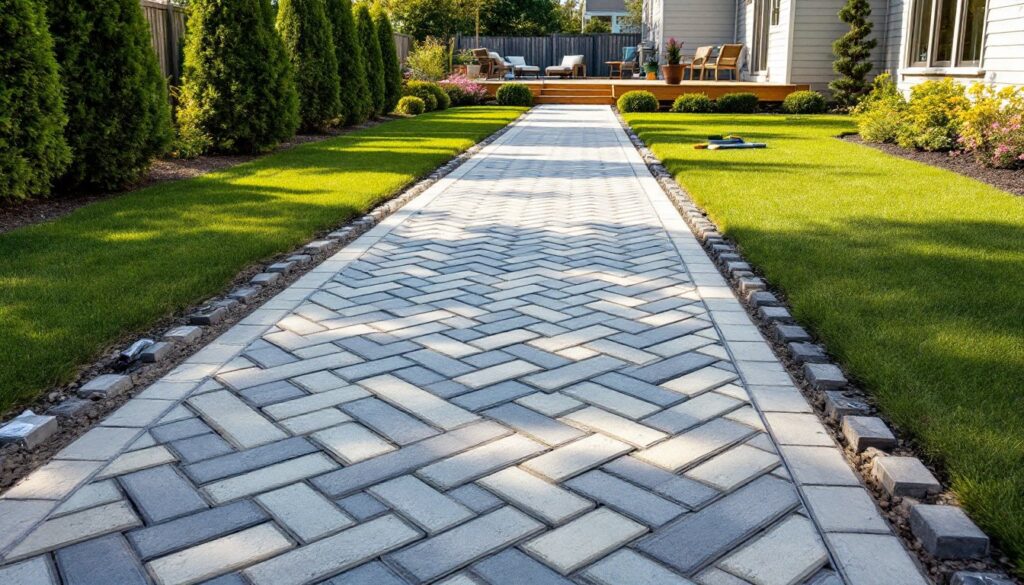
Reclaimed or secondhand pavers also work if you’re patient and scavenge locally. Facebook Marketplace and Craigslist often have free or cheap leftover pavers from renovations. Lay them on a 2-inch sand base over landscape fabric: they don’t need mortar and can shift seasonally without cracking.
For edging on beds or pathways, pressure-treated 2×6 lumber costs around $2–4 per linear foot and lasts 15+ years with basic maintenance. Composite lumber lasts longer but costs 2–3 times more. When installed, lumber softens the hard lines and looks intentional, like the projects featured in 10 Creative DIY Backyard, which prove budget work can compete with pro finishes.
If you’re digging or leveling, rent a small walk-behind plate compactor for $40–60 a day, it prevents settling and cracking. A shovel works, but compacting makes the job last.
Creative Plant and Garden Strategies
Plants fill space fast and cost way less than hardscape. But nursery plants add up quickly, so approach this strategically.
Start with shade and structure plants, shrubs and small trees create visual “bones” that make a yard feel finished even when beds aren’t full. Slow-growing shrubs like boxwood, spirea, or euonymus often go on sale at end of season (late August through October in most regions) at 30–50% off. Timing your plant purchases beats buying full-price year-round.
Growing Plants From Seeds and Cuttings
Growing perennials from seed costs pennies per plant and gives you dozens for the price of a few nursery specimens. Black-eyed Susan, coneflower, daylilies, and salvia all seed easily and attract pollinators, a bonus for a living landscape. Start seeds indoors 6–8 weeks before your last frost date using a simple seed-starting mix, peat pots, and a sunny windowsill. Yes, germination rates vary, but even 50% success means cheap abundance.
Cuttings from a friend’s garden cost nothing. Softwood cuttings (new green growth) from rosemary, butterfly bush, or hydrangea root in 4–6 weeks in a glass of water or a small pot of damp perlite. Not every cutting takes, but the hit rate for common plants is 60–80%. Rooting hormone (a $4 powder) improves odds slightly.
Dense native plantings outcompete weeds better than sparse beds, so even if you start small, the plants fill in faster without hand-pulling. Check your local native plant society for lists suited to your zone and soil type. Native plants typically need less water, fertilizer, and fussing once established, a core budget strategy.
Affordable Outdoor Seating and Furniture
Outdoor furniture is priced like indoor furniture, but budget options exist if you know where to look.
Secondhand patio furniture on Facebook Marketplace or estate sales runs 50–70% less than new. Metal or plastic chairs and tables weather better than fabric cushions, which fade and rot quickly in sun and rain. If you buy used cushions, plan to replace them ($30–80 per set) or make your own from outdoor fabric.
Building your own furniture opens up cost savings. A simple bench from 2×10 or 2×12 lumber, a few 2x4s for the frame, and deck screws costs $40–60 and takes a Saturday. Add a coat of exterior stain or paint, and it looks intentional. DIY planters-benches (a seat backed by a raised bed) combine function and look polished without specialist skills.
Pallets, free or cheap from local businesses, can be sanded, stained, and assembled into seating. Be honest about quality: some pallets are weathered and splintery. Check that they haven’t been treated with chemicals (marked “HT” means heat-treated and safe: “MB” means methyl bromide fumigation and should be avoided). Seal pallet furniture with outdoor sealant to extend its life.
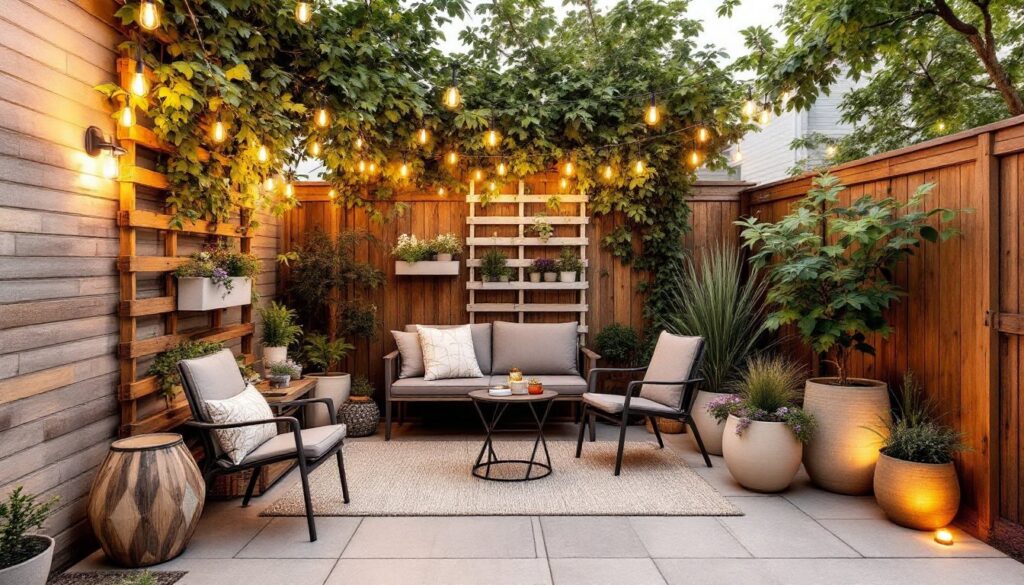
String lights, lanterns, and shade cloth (which costs $0.50–1.50 per square foot) define space and make outdoor areas feel more “finished” than they are. This ties directly into why many DIYers turn to Backyard Makeovers: Transform Your Outdoor Space into a Stunning Oasis resources, seating and shade are the hardworking anchors that make gatherings feel intentional.
Lighting and Decorative Touches on a Shoestring Budget
Lighting transforms a backyard from unusable at dusk to welcoming after dark, and solar options have gotten genuinely good in the last few years.
Solar stake lights ($1–3 each) line pathways without wiring. They charge during the day and glow at night, no electrician, no permit, no trenching. Group them in odd numbers (3, 5, 7) along a bed edge for visual rhythm instead of scattering them randomly.
Solar string lights ($15–40 per strand) draped overhead define entertaining zones and cost a fraction of hardwired outdoor lighting. Warm white LEDs look better than cool white: compare kelvin ratings (2700K is warm, 5000K is clinical). Some solar strings fade quickly after two seasons: read reviews before buying cheap options from discount retailers.
Candlelight (pillar candles in hurricane glasses or mason jars weighted with sand) costs next to nothing and reads as intentional, not budget. Citronella candles add bug control as a bonus.
Free or nearly-free decorative touches: paint a fence section a bold color, hang old wooden signs salvaged from yard sales, repurpose terracotta pots in groups of three (more visual impact than singles). Stencil patterns onto concrete pathways using chalk or paint. Plant dark-foliage plants (like dusty miller or coral bells) near light-colored hardscape to make features pop.
Sources like Young House Love and Making Manzanita document dozens of budget outdoor projects with step-by-step photos, a smart reference when you’re eyeballing a particular look. You’ll notice that most impactful spaces aren’t defined by expensive materials but by thoughtful arrangement and finishing details.