
A backyard memorial garden transforms a quiet corner of your yard into a sacred space for reflection and remembrance. Whether honoring a loved one, a cherished pet, or a significant milestone, these gardens serve as living tributes that bring comfort and meaning to your outdoor environment. This guide walks you through six practical backyard memorial garden ideas, from dedicated seating areas to engraved stone markers, each designed for real homeowners ready to create something meaningful without needing a landscape architect or deep pockets. You’ll learn what materials work best, how to position elements for maximum impact, and how to maintain your garden so it thrives year after year.
Key Takeaways
- A backyard memorial garden combines dedicated seating, personalized plantings, and focal markers to create a meaningful space for reflection without requiring a landscape architect or large budget.
- Choose durable materials like teak benches, stone pathways with polymeric sand, and professionally engraved granite or slate markers that withstand weather and maintain their appearance year after year.
- Incorporate water features, soft LED lighting, and fragrant plants that trigger sensory memories and enhance the contemplative atmosphere of your memorial garden.
- Proper soil amendment with 2–4 inches of compost is essential before planting to ensure healthy growth, and a simple maintenance rhythm of spring pruning, summer watering, fall cleanup, and winter inspections keeps your garden thriving.
- Position seating to face a focal point and backlight markers subtly at night to create intentional moments of remembrance and add ceremonial presence to your backyard memorial space.
- Start with one element—a bench, a favorite plant, or an engraved marker—and let your backyard memorial garden grow organically as living plants flourish and create deeper personal meaning over time.
Quiet Reflection Spaces With Dedicated Seating
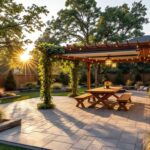
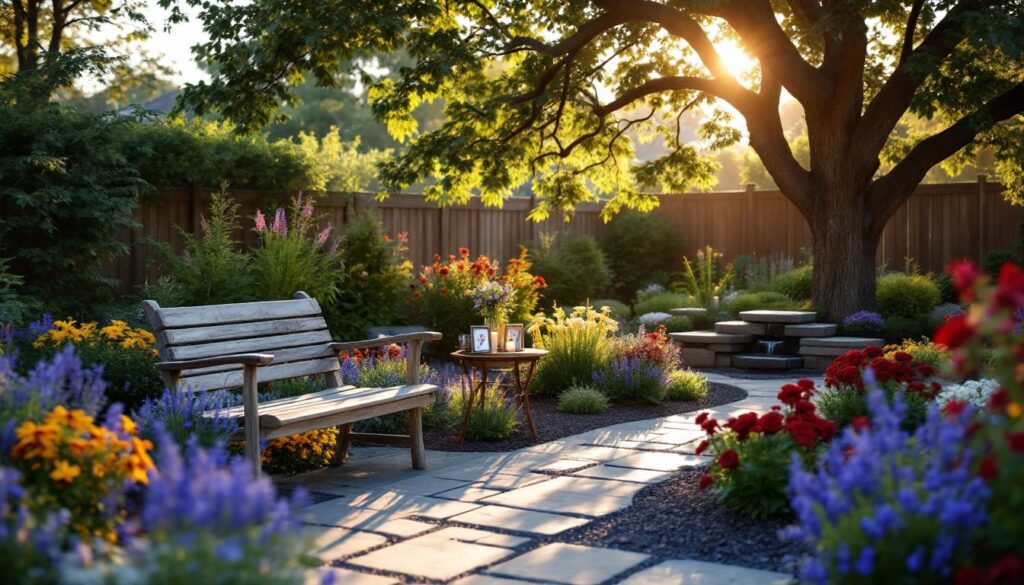
The foundation of any memorial garden is a place to sit and remember. A simple wooden bench, stone seat, or even a weathered Adirondack chair anchors your space and signals its purpose.
Choose a sheltered, naturally quiet corner, ideally under dappled shade from a mature tree or beside a fence that buffers wind and street noise. Position seating to face a focal point: a planted area, water feature, or engraved marker. This deliberate sightline creates an intentional moment each time someone sits.
For material durability, teak or cedar benches resist rot better than pine, though they cost more. If budget’s tight, a pressure-treated bench with a weatherproof stain works fine, just reapply finish every 2–3 years. Stone or cast-concrete benches are permanent but heavy: plan their placement before pouring or setting them in place.
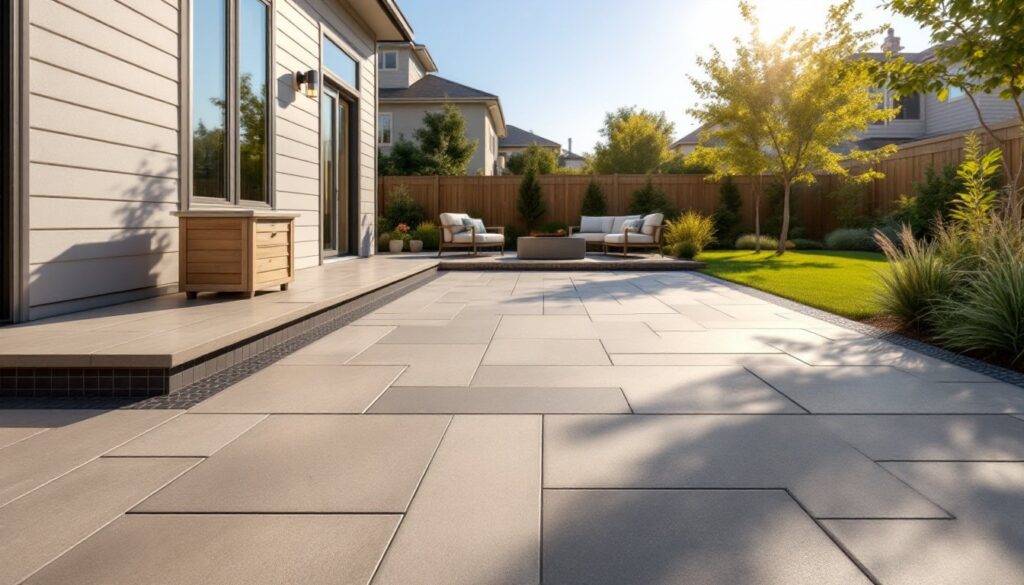
Add a small side table (a mosaic tile-topped stand, sturdy wood table, or even a flat stone on supports) to hold photos, candles, or flowers. Hardscape surfaces like pavers or crushed stone beneath seating keep the ground from getting muddy and define the sitting area visually. A 6-by-8-foot paved pad gives enough room without overwhelming a modest garden.
Personalized Plant and Flower Gardens
Plants bring a memorial garden to life. Select species tied to memory, a favorite flower, a fragrant herb, or a tree that bloomed in someone’s childhood garden.
Perennials require less maintenance than annuals: think coneflowers, daylilies, black-eyed Susans, or roses if your zone supports them. They return each spring with little fuss. Plant in clusters of odd numbers (3, 5, 7) for visual rhythm. Fragrant plants, lavender, jasmine, or honeysuckle, add sensory depth to the space and can trigger powerful memories.
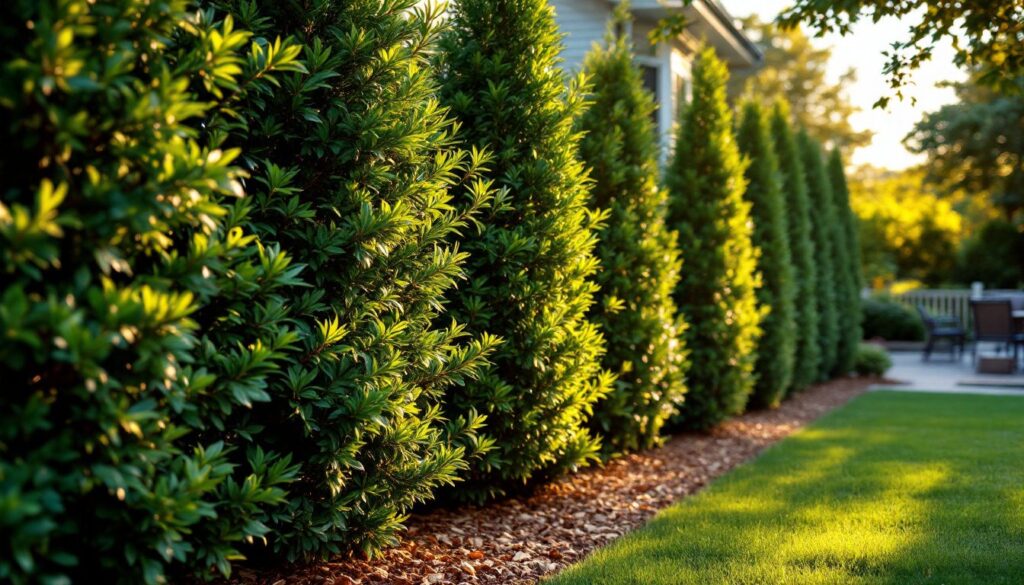
Consider a Japanese maple or flowering cherry as a living centerpiece. These trees don’t grow too large for average yards, flower beautifully in spring, and age gracefully with sculptural branching. Shrubs like hydrangeas, butterfly bush, or boxwood provide year-round structure and screening.
Don’t skip soil preparation. Amend compacted yard soil with 2–4 inches of compost worked in 8–10 inches deep before planting. This investment prevents stunted growth and drainage problems. Mulch beds with 2–3 inches of wood chips (not dyed, not volcano-mulched) to retain moisture, suppress weeds, and create a finished look. Recent gardening guides emphasize proper soil amendment as the first step to healthy plants. Water new plantings deeply twice weekly for the first month, then adjust based on rain and heat.
Water Features and Fountain Memorials
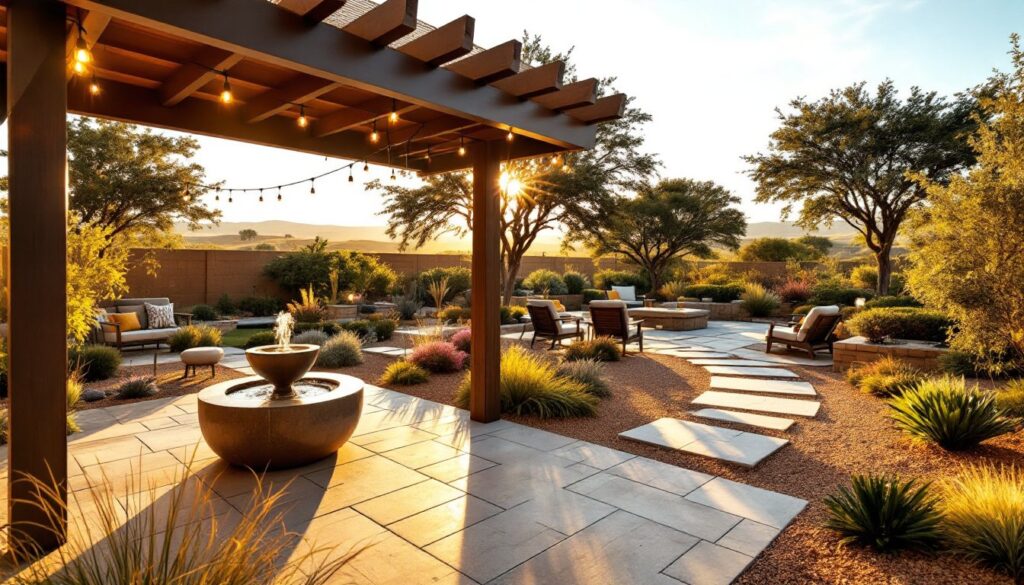
The sound and movement of water add contemplative calm to a memorial space. A small recirculating fountain doesn’t require a pond or plumbing, just an electrical outlet.
Prefabricated fountains (birdbath-style, tiered stone, or modern resin) range from $200 to $2,000+. Install one on a level, stable base (a concrete pad prevents settling). Run the power cord to a weatherproof GFI outlet or buried outdoor electrical line, electrical work for new circuits should go to a licensed electrician if you’re unsure of codes.
For a DIY approach, stack staggered slate or fieldstone to create a natural-looking cascade, then place a small submersible pump inside to recirculate water. Line the base with a rubber membrane and containment basin so water doesn’t escape into the landscape.
Water features need maintenance: clean pumps monthly, refresh water weekly in warm months to prevent algae and mosquitoes, and drain before winter in freezing climates (or use a heated fountain basin if you want year-round operation). Pea gravel or small river stones around the feature soften hardscape and define the zone. The gentle trickling sound masks traffic noise and provides white-noise comfort during quiet moments.
Stone Pathways and Engraved Markers
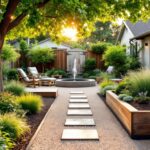
A winding path through your memorial garden creates a meditative journey. Use flagstone, pavers, or stepped stone slabs laid on a bed of sand or pea gravel (not concrete, allows drainage and feels more organic).
Lay out the path with a garden hose first, then set stones with ½-inch gaps and fill gaps with polymeric sand (holds in place, allows water through, doesn’t attract weeds like organic filler). For small gardens, stepping stones spaced 18–24 inches apart work better than a full-width pathway.
Markers, engraved stone plaques, granite benches with inscriptions, or custom ceramic tiles, become focal points. Granite or slate plaques resist weather far better than limestone or softer stone. Have engraving done by a professional stoneworker: DIY etching wears quickly. Personalized markers might include a name, date, or meaningful quote. Alternative markers include a dedicated plant with a small ID stake, a decorative urn, or even a handmade mosaic stepping stone embedded in the pathway.
Position markers where they’re visible from the seating area. Backlight them subtly at night for added ceremony. A simple brass or copper plaque mounted on a stone base costs $150–$400 and lasts indefinitely.
Lighting Design for Evening Remembrance
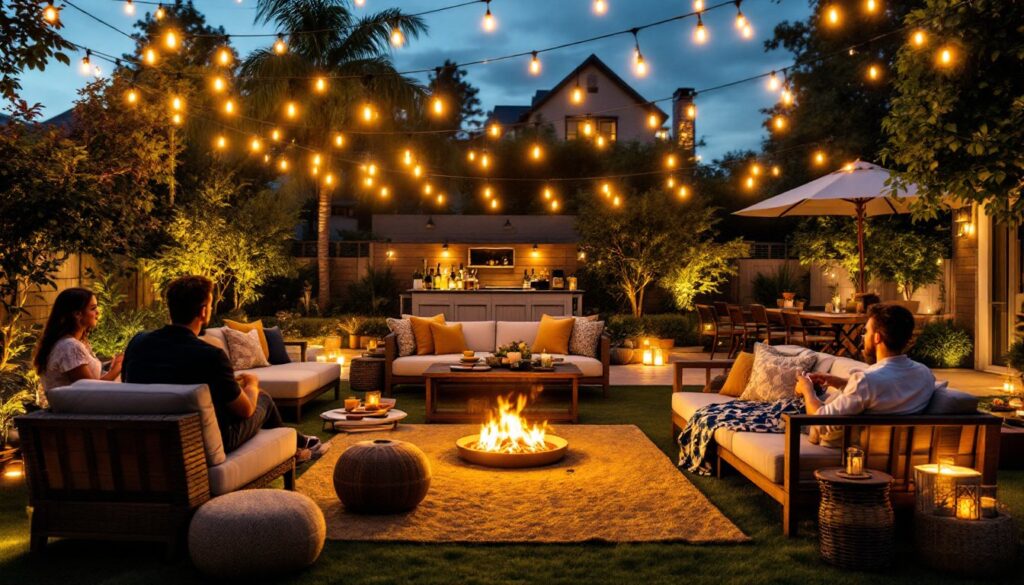
Thoughtful lighting transforms a memorial garden into an evening sanctuary. Soft, warm light feels more respectful than bright, stark illumination.
Low-voltage LED path lights (solar or electric) cost $20–$100 each and line walkways without glare. Uplighting on trees or focal features adds drama and draws the eye upward. Recessed deck lights or in-ground lights can graze stone markers or water features, creating silhouettes.
Avoid motion-sensor lights or bright floodlights, they shatter the contemplative mood. Instead, go warm white (2700K color temperature) dimmable LEDs. Solar options reduce wiring hassle, though they’re dimmer than low-voltage electric systems and need sun exposure to recharge daily.
Install lights on a timer or smart switch so they’re on at dusk without manual control. If running electrical lines, bury them 12 inches deep in protective conduit and have a licensed electrician do the work if codes require permits. Uplighting a memorial plaque or marker from below creates a glowing anchor point visible from the house and neighboring seating areas.
Maintaining Your Memorial Garden Year-Round
A well-kept memorial garden honors its purpose. Establish a simple maintenance rhythm: spring cleanup and pruning, summer watering and deadheading, fall debris removal, and winter prep.
Spring: Remove winter mulch, cut back dead perennial stems, prune shrubs before growth (typically March–April depending on climate), and refresh mulch. Inspect benches and hardscape for winter damage or settling.
Summer: Water deeply 1–2 times weekly if rainfall is less than 1 inch per week. Deadhead spent flowers to encourage more blooms. Top up mulch as it breaks down. Clean water features and fountains.
Fall: Cut back perennials after frost: leave ornamental grasses for winter interest if desired. Rake leaves, don’t leave thick piles on plantings. Test soil and amend if needed. Drain irrigation and fountains in cold climates.
Winter: Inspect for frost heave (frozen ground pushing plants up, reset them). Prune only dormant shrubs and trees if needed. Inspect hardscape for cracks or settling.
Use organic fertilizers or compost rather than synthetic salts, they feed soil biology and create healthier, more resilient plants. A simple backyard landscaping transformation doesn’t require constant fussing: choose low-maintenance species (ornamental grasses, native shrubs, sedums) and mulch well. Document the garden’s first year with photos, growth will be obvious, and you’ll see what tweaks work best for your light, soil, and climate.
Conclusion
Building a backyard memorial garden is a deeply personal project that honors memory while creating a place of solace for your whole family. Start with one element, seating, a plant, or a marker, and let it grow organically. The garden becomes more meaningful as it matures and the living plants flourish. Your investment in thoughtful design and regular upkeep transforms a corner of your yard into a lasting tribute.