
Planning a backyard wedding reception doesn’t mean sacrificing style or sophistication. With thoughtful design choices and strategic DIY touches, homeowners can turn their outdoor space into an unforgettable venue. The key lies in understanding how to maximize what you already have, your yard, while layering in affordable elements that create wow factor. Whether you’re working with a sprawling lot or a modest urban garden, these practical strategies will help you pull off a polished, welcoming celebration. From lighting and layout to catering setups and weather backup plans, this guide walks through the essentials that transform a backyard wedding reception from an afterthought into the main event.
Key Takeaways
- Backyard wedding reception ideas work best with a cohesive two-to-three-color palette, fresh greenery, and strategic string lighting that cost far less than traditional venues while creating sophisticated ambiance.
- Layout is critical—divide your yard into distinct zones for ceremonies, dining, dancing, and facilities, allocating 10-15 square feet per person at tables plus 50% open circulation space for movement and mingling.
- String bistro lights, layered with accent lighting and solar pathway stakes, transform dark outdoor spaces affordably—plan one 48-foot strand per 200 square feet and test everything during daylight.
- Skip expensive catering by offering interactive options like build-your-own taco bars, grazing tables, and limited drink selections, which reduce costs by roughly 30-40% while maintaining sophistication.
- Guest comfort drives success—provide shade areas, bug spray, sunscreen, heaters, and mixed seating options so guests remain comfortable and engaged throughout the celebration.
- Have a credible weather backup plan locked in early, whether a clear-top tent rental or alternative indoor space, and communicate contingencies clearly to guests to maintain confidence and authenticity.
Creating an Intimate Outdoor Setting With DIY Decor
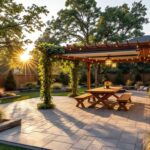
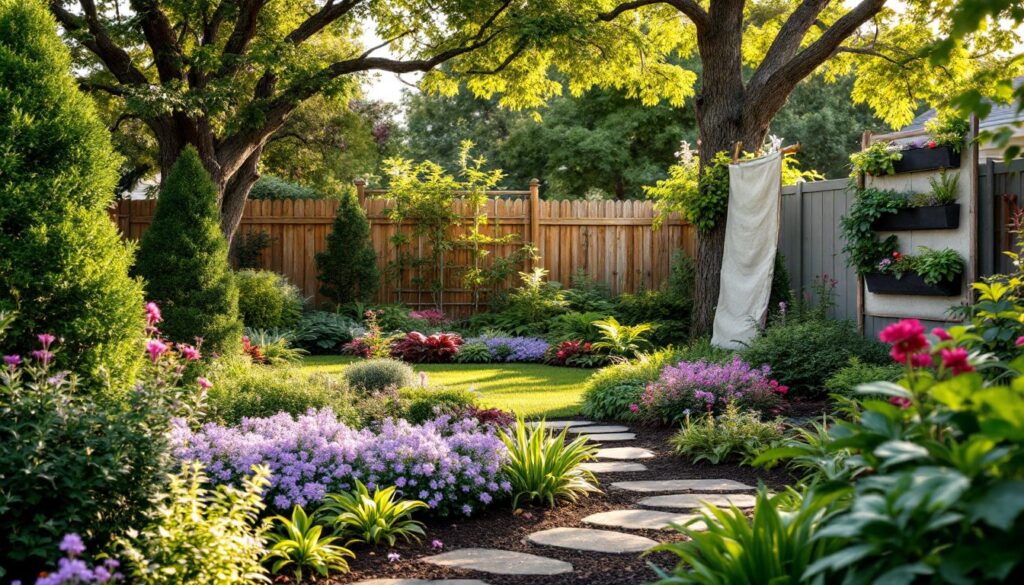
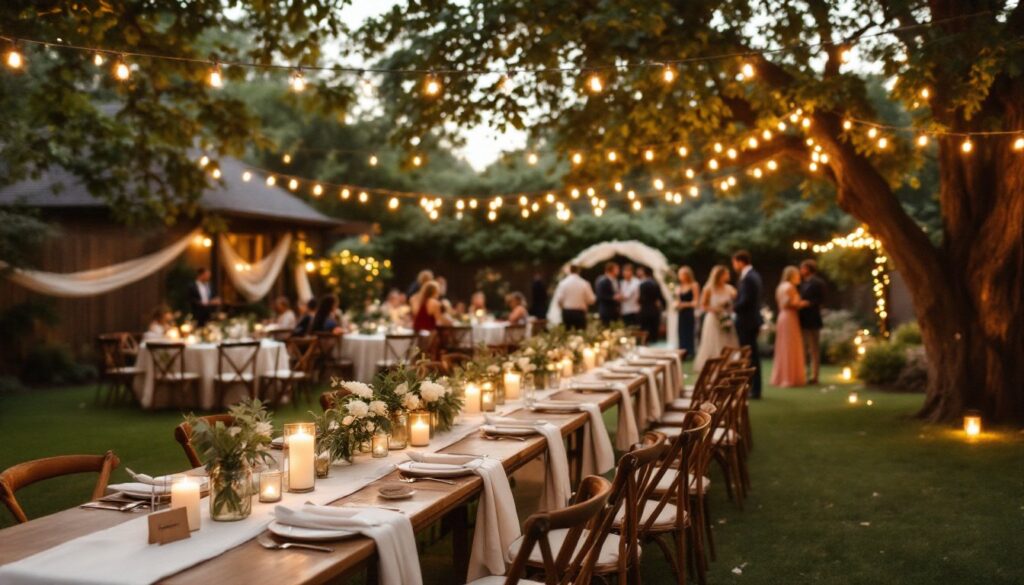
The foundation of any great backyard wedding is a cohesive visual theme that feels intentional rather than thrown together. Start with a color palette, two to three colors maximum, and stick to it across all decor elements. Neutrals like cream, ivory, and soft gray pair beautifully with dusty blue, blush, or sage for a sophisticated look that doesn’t scream “budget.” Fresh greenery is your secret weapon. Garland made from eucalyptus, ferns, or even grocery-store greenery costs far less than floral arrangements and adds instant texture to your space. Drape it along fence lines, around arbors, or along table edges.
Fabric transformations create drama cheaply. Lightweight cotton or muslin fabric hung from fence posts or trees instantly softens hard lines and creates visual interest. A 10-by-10-foot section takes just two bolts of affordable fabric and some clothespins. String bistro lights or café lights through the fabric or overhead to build layers of ambiance. For tables, skip pricey linens, plain white or ivory runners over simple tables with candles, fresh flowers in repurposed glass jars, and natural place cards (think kraft cardstock with hand-lettering) feel artisanal without the designer price tag. Consider 10 Creative DIY Backyard for inspiration on lasting infrastructure you can build now for future entertaining.
Smart Layout and Zoning Strategies for Backyard Receptions
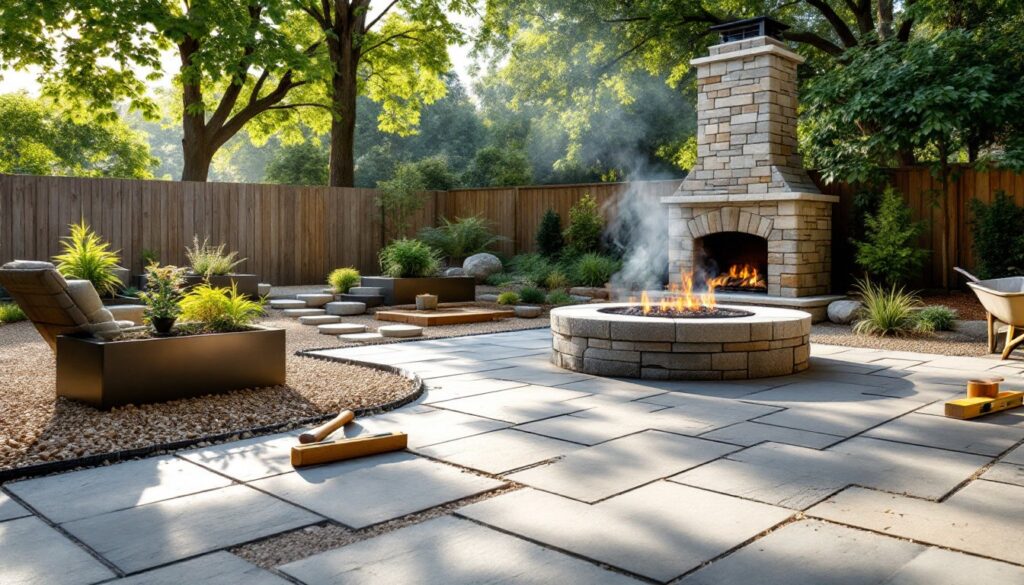
Layout makes or breaks a reception. Divide your yard into distinct zones: ceremony/cocktail, dining, dancing, and bathrooms. Guests naturally flow better when pathways are intuitive and areas feel purposeful. If your yard is narrow or irregularly shaped, use tall plants, string lights, or fabric panels to create invisible boundaries that suggest zones without boxing them in. Calculate seating based on 10 to 15 square feet per person at dining tables, cramping guests leads to hot, uncomfortable evenings. If you have 75 guests and 6 tables, you need roughly 150 to 225 usable square feet just for eating. Leave at least 50% of your yard as open circulation space for dancing, photos, and mingling. Position the bar and food stations at opposite ends of the yard to encourage movement and prevent bottlenecks. Bathroom access matters tremendously: if your house is far from seating, rent a single-stall portable restroom rather than routing 100 guests through your indoor plumbing, it’s cheaper than emergencies and more comfortable for everyone. Backyard Makeovers: Transform Your Space into a Tranquil Oasis Today covers how to read your space and work within its natural contours.
Lighting Solutions That Transform Your Space After Dark
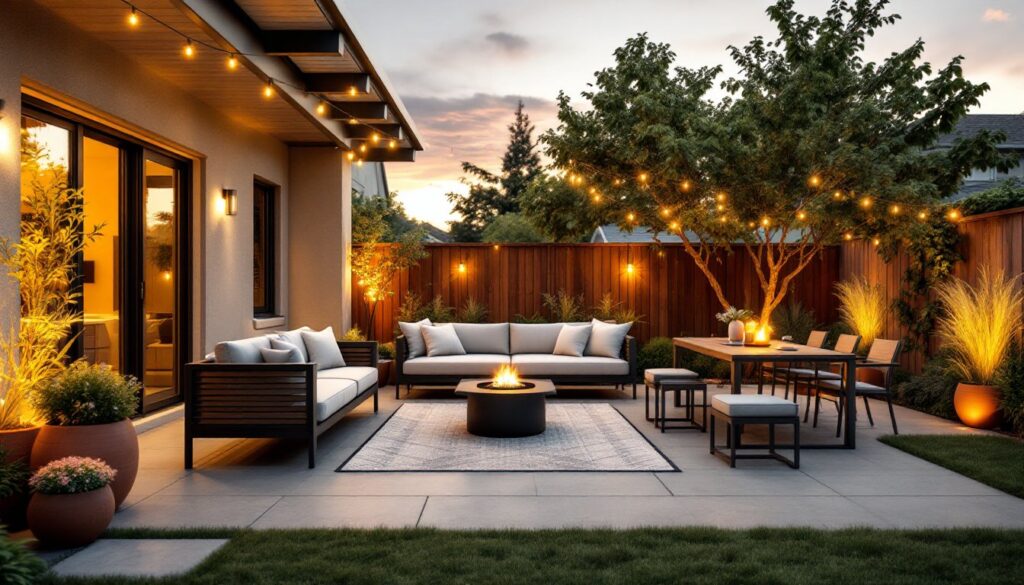
Quality lighting is non-negotiable in a backyard setting. Unlike a ballroom with built-in fixtures, your yard will look flat and uninviting without intentional illumination. String bistro lights (café lights) are the workhorse, affordable, flexible, and instantly festive. Plan for one 48-foot strand per 200 square feet of seating area. Drape them overhead in a rectangular grid or crisscross pattern, securing them to posts, trees, or a rented frame system. LED versions cost slightly more upfront but use less power and generate less heat than incandescent, crucial if it’s a warm evening.
Layer in accent lighting. Solar stake lights around pathways cost $1 to $3 each and eliminate tripping hazards. Luminarias (paper bags with tea lights) lining edges or walkways add romance on a budget. Avoid over-bright spotlights that wash out faces: instead, use uplighting on focal points like a decorated arch or garden beds. Rentals for professional lighting rigs run $500 to $2,000 depending on scale, but if your guest count is under 75 and your lot has good existing trees or fence structure, DIY string and accent lighting does the job beautifully. Test everything during daylight first, and have battery-powered backup lights on hand for power glitches. Resources like HGTV showcase how professional designers layer outdoor lighting to create depth and atmosphere.
Budget-Friendly Catering and Bar Setup Ideas
Catering is often 30% to 40% of a wedding budget, so strategic choices here yield big savings. Skip the plated three-course dinner and go with a cocktail-style reception with passed appetizers and a grazing table. Alternatively, a build-your-own taco or sandwich bar feels casual, interactive, and costs roughly half what a caterer charges for full service. Many homeowners underestimate what they can prepare ahead: marinated vegetables, chilled shrimp platters, cheese boards, and desserts can be made the day before and assembled the morning of the event.
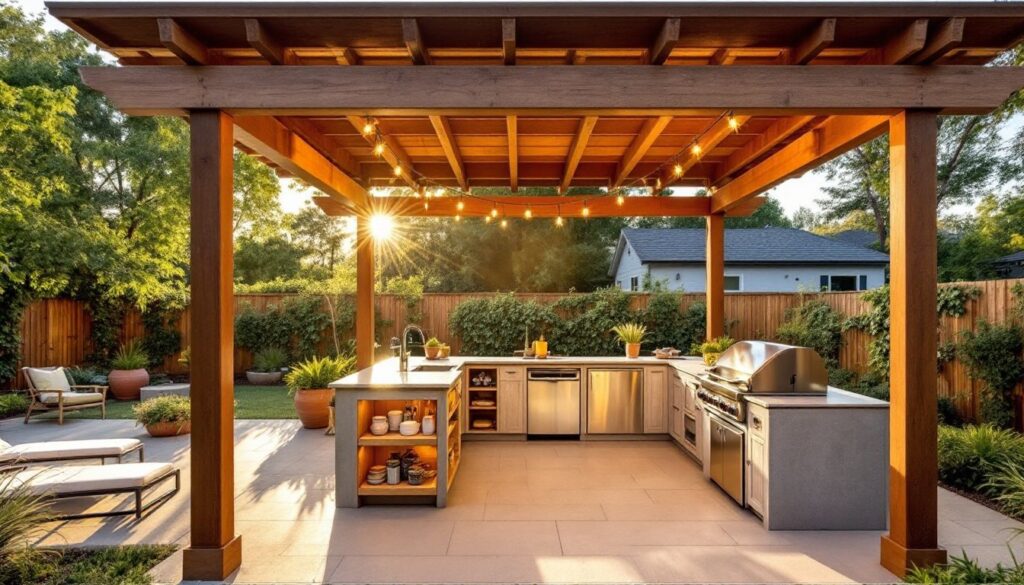
For the bar, skip the full open bar unless you have a large, young crowd. A limited selection, two wines, beer, and a signature cocktail, keeps costs down and eliminates waste. A self-serve wine and beer table (with a hired bartender for the signature drink) works well for 50 to 100 guests. Stock soda, water, and fresh juices prominently: many guests drink non-alcoholic beverages, and highlighting them reduces awkward moments. Rent glassware rather than buying disposable cups, it looks better, feels more elevated, and is often cheaper overall. A basic cooler with ice stations throughout the yard prevents crowding at a single bar area. Transform Your Backyard Patio: discusses how patio setups naturally accommodate serving stations without dedicated infrastructure.
Comfort and Practical Amenities for Your Guests
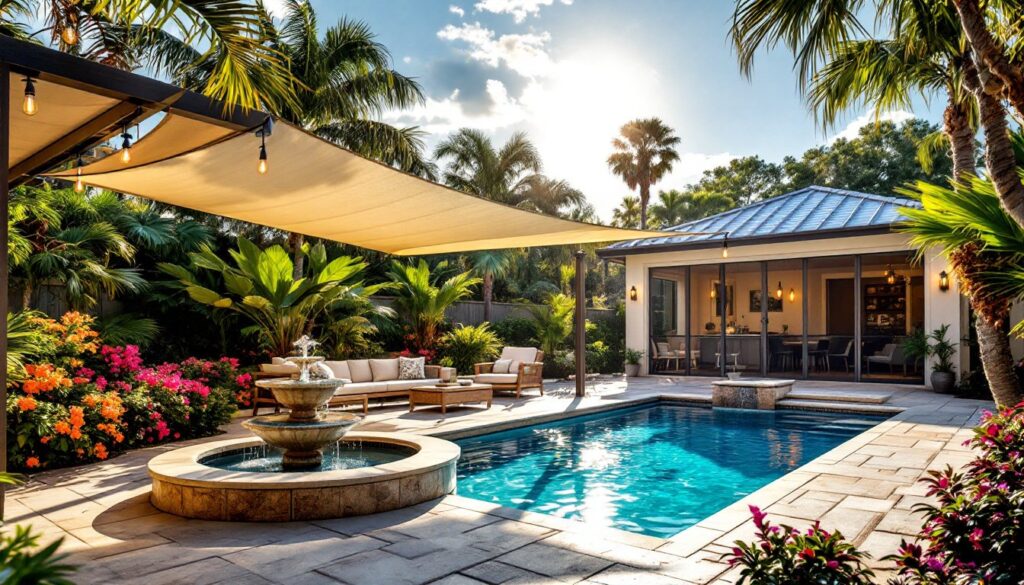
Overlooking guest comfort is a silent reception killer. Even the most beautiful space feels uncomfortable when guests are sunburned, bitten by mosquitoes, or standing in the dark. Provide sunscreen and bug spray in small bowls near seating, guests will self-serve and thank you later. A designated shade area (tent, large umbrella clusters, or a pergola) keeps elderly guests and anyone light-sensitive from overheating. Rent heaters if your reception extends into cool evening hours: propane patio heaters run $30 to $50 each and make a huge difference in perceived comfort and how long people linger.
Small touches signal thoughtfulness: a basket of flip-flops for guests whose feet hurt, a shawl station for those chilly in sleeveless dresses, and a “phone charging station” corner with power strips and labeled cables. Provide clear restroom directions and hand sanitizer stations. Seating should be a mix, not everyone can stand for hours, and older guests especially need comfortable chairs. Rent simple cross-back or chiavari chairs if yours aren’t adequate: they cost $2 to $4 per chair and elevate the look significantly. Plan for 10% more seating than head count to account for people’s natural instinct to rest between courses and dancing. Mosquito control (fans, citronella, or a professional spray the afternoon before) prevents the evening from becoming an itching nightmare.
Backup Plans and Weather Contingencies
Backyard receptions live or die by weather. Have a credible backup plan that doesn’t feel like Plan B to your guests. The gold standard is a large tent rental, 20-by-40 feet or 20-by-60 feet depending on guest count and activities. A clear-top tent costs more than opaque but allows views of the sky and lets ambient light in during twilight hours, maintaining ambiance even during a downpour. Tent insurance is worth the extra cost: if weather forces cancellation, you’re protected.
If a tent is outside your budget, identify an alternative indoor space, a garage that can be cleared and finished, a community center, or even a restaurant’s private dining room for backup. Have this locked in early: last-minute scrambling destroys morale. For smaller receptions (under 50 guests), a pavilion in a public park offers weather protection without the rental cost. Set a trigger date, typically 48 hours before the event, when you make the final call to move indoors or proceed as planned. Communicate clearly with guests about what weather will be like and assure them you’ve got contingencies. Many guests actually find intimacy in an unexpected move: authenticity beats overly polished control. Backyard Landscaping Designs: Transform Your Space into a Stunning Oasis walks through how existing landscape features, mature trees, natural windbreaks, can serve as emergency shelter. Check local building codes or homeowner association rules about temporary structures: some jurisdictions require permits for tents over a certain size or duration.
Conclusion
A stunning backyard wedding reception emerges from thoughtful planning, not deep pockets. Prioritize what matters most, lighting, seating comfort, and clear flow, and get creative with decor, catering, and ambiance. Test your setup in daylight, account for weather, and remember that guests remember warmth and hospitality far more than a five-figure florals budget. With these strategies in place, your backyard transforms into a venue that rivals any ballroom, minus the impersonal overhead and inflated price tag.