
Florida’s subtropical and tropical climate offers unique opportunities for outdoor living, but also demands smart planning. Whether you’re battling intense afternoon sun, managing humidity, or preparing for hurricane season, the right backyard design can turn your outdoor space into a year-round retreat. This guide walks you through seven practical, climate-adapted ideas that combine aesthetics with function, no Pinterest fantasies, just solid strategies homeowners in Central Florida and beyond are using right now.
Key Takeaways
- Design your backyard ideas for Florida’s climate by combining hard shade structures (pergolas, patios) and soft shade (trees, shrubs) to create usable outdoor space during intense afternoon sun.
- Select non-slip, heat-resistant decking like travertine or concrete pavers sloped away from pools to prevent mosquito-breeding puddles and enhance safety.
- Replace water-hungry non-native plants with Florida native species like coontie and muhly grass to cut watering needs by 50% and reduce maintenance costs.
- Install screened enclosures and weatherproof structures anchored to meet Florida Building Code wind load standards (130+ mph) to protect against hurricanes, mosquitoes, and storms.
- Implement proper water drainage through rain gardens, French drains, and permeable pavers to prevent backyard flooding and protect property value.
- Use energy-efficient LED lighting in three layers—ambient post lights, task lighting for cooking areas, and accent lights—with GFCI protection to ensure safety in Florida’s humid environment.
Design a Tropical Poolside Oasis
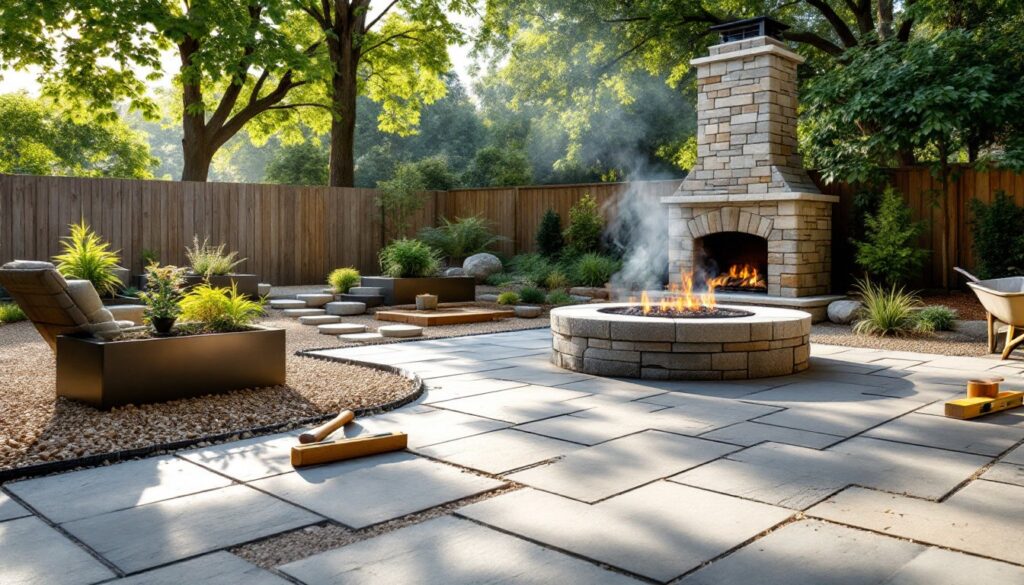
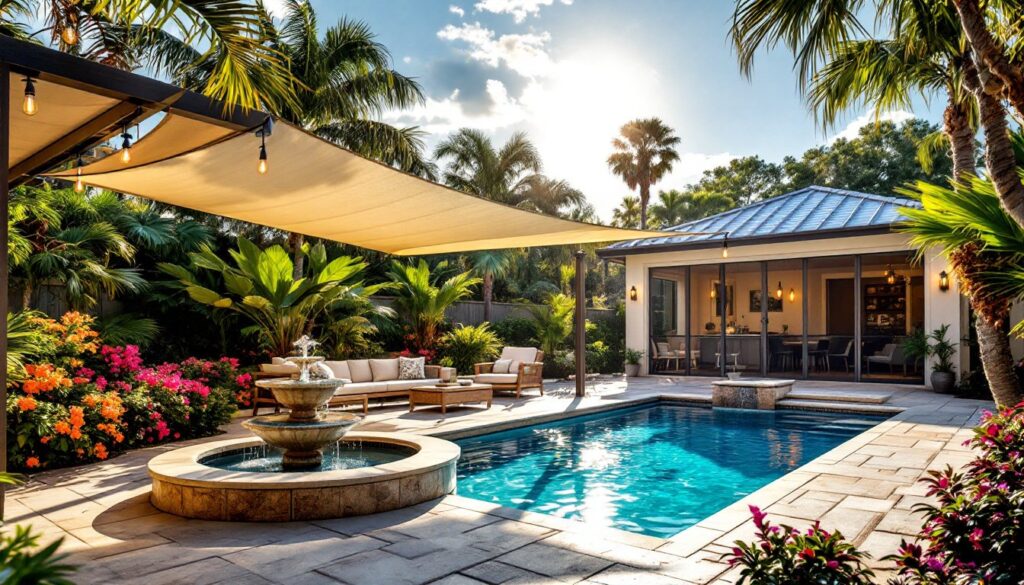
A pool anchors outdoor living in Florida, but the surrounding design matters just as much. Start by choosing non-slip decking that won’t fry your feet. Travertine or concrete pavers work well: travertine stays naturally cooler and offers texture, while concrete can be sealed and colored to match your aesthetic. Lay pavers at a slight slope (roughly 1:48 grade) away from the pool to shed water and prevent standing puddles that attract mosquitoes.
Plant tropical specimens around the pool perimeter, think royal palms, ixora, and mandevilla. These thrive in Florida heat and create visual interest without excessive maintenance. Keep them at least 6 feet back from the pool deck to avoid debris clogging filtration systems. Add a pergola or shade sail on the south-facing side: this drops ambient temperature by 5–10 degrees and gives swimmers a shaded lounging area. Use powder-coated aluminum or pressure-treated 4×6 posts set in concrete footings for durability against salt spray and humidity.
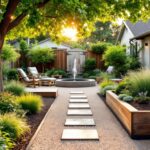
Incorporate a water feature, a small fountain or spillway adds visual appeal and masks street noise. Use non-toxic sealant on all wood touches and consider a saltwater chlorination system instead of traditional chlorine, which reduces chemical smell and is gentler on skin and concrete.
Create a Shade-Smart Outdoor Living Area
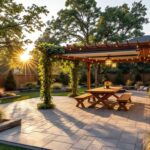
Florida’s sun isn’t your friend between 10 a.m. and 4 p.m. Without proper shade, your backyard becomes unusable. Build a covered patio or screened room using pressure-treated lumber or aluminum framing. A simple gable roof attached to the house with a ledger board anchored to the rim joist works well: use proper flashing to prevent water intrusion. Aim for 10–12 feet of depth to keep afternoon sun off seating areas.
For a more affordable option, install retractable shade screens or motorized roller shades on existing decks. These let you control sun exposure throughout the day and can be rolled up during storms. Hurricane-rated options exist if you’re in a coastal zone.
Backyard landscaping designs that incorporate layered shade create microclimates. Use a combination of hard shade (structures) and soft shade (trees, large shrubs) to maximize usable outdoor space. A double-layer shade cloth (30–50% density) strung overhead offers flexibility and costs far less than permanent construction. Ensure all fastening points are properly reinforced: Florida wind can exceed 40 mph in summer storms.
Place ceiling fans under covered areas, they improve air circulation and make 85 degrees feel closer to 80.
Build a Native Plant Garden for Low Maintenance
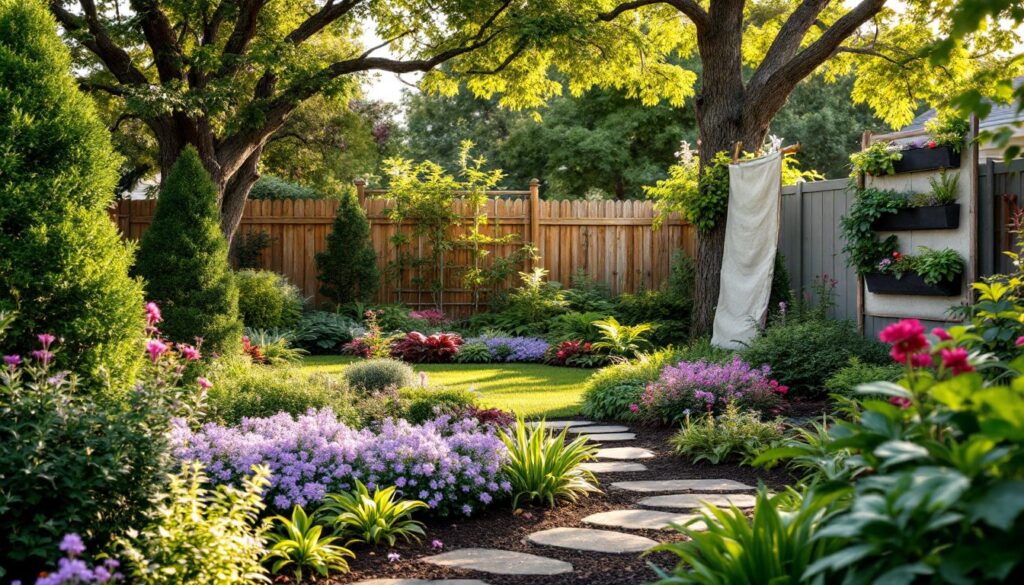
Florida’s native plants evolved for heat, humidity, and occasional drought. Replacing thirsty non-natives with species like coontie, blanket flower, and muhly grass cuts watering needs by 50% and eliminates the fertilizer cycle.
Start by amending your soil. Florida’s sandy base drains fast and lacks organic matter. Till in 2–3 inches of compost and native mulch before planting. This improves water retention without waterlogging roots. Space plants according to their mature size: coontie reaches 3 feet, so don’t squeeze it next to a structure.
Water establishment is critical. New plantings need regular moisture for the first 6–8 weeks, but established natives rarely need supplemental water except during drought. Use soaker hoses or drip irrigation on a timer, waste-free and essential in a state with rising water restrictions.
Native plant gardens also attract beneficial pollinators and birds, reducing pest issues naturally. According to research on landscaping practices, properties with native plantings report fewer disease and insect problems compared to monoculture yards. Skip the lawn expanses: replace underutilized grass with native groundcovers like beach sunflower or blazing star.
Install Outdoor Lighting and Entertaining Spaces
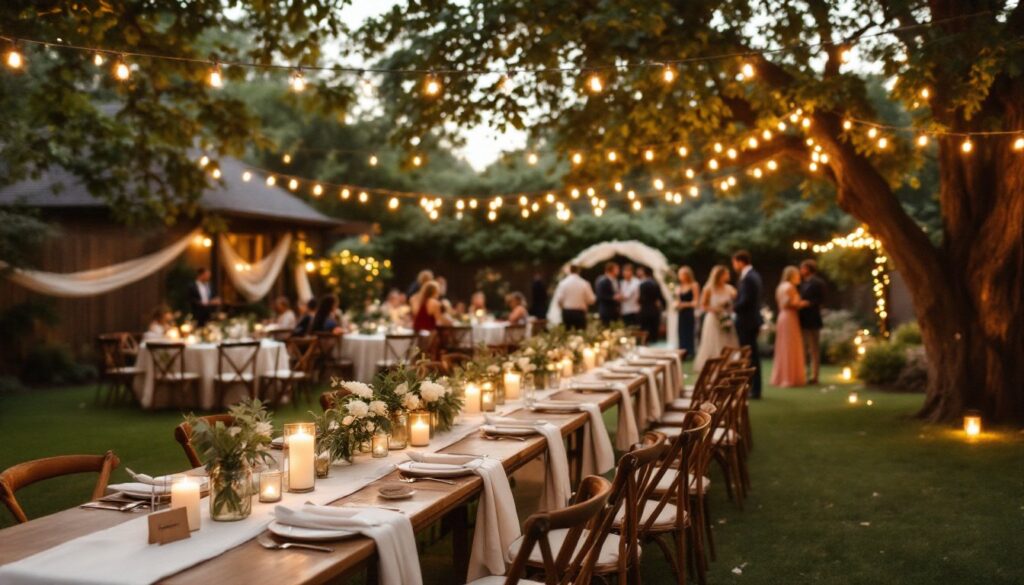
Proper lighting extends your backyard hours and improves safety. Focus on three layers: ambient (overall illumination), task (cooking, dining areas), and accent (highlighting plants or water features).
For ambient light, install **6–8 feet tall LED post lights spaced 15–20 feet apart around the perimeter. LEDs consume 75% less energy than incandescent and last 25,000+ hours. Run wiring in PVC conduit buried 18 inches deep to protect against landscaping tools and moisture.
Add low-voltage deck lights (12V systems) along stairs and pathways. These are safer than 120V options and eliminate shock risk if water pools. Task lighting over grilling or food prep areas should be bright (500–700 lumens) and on a separate circuit from entertainment zones.
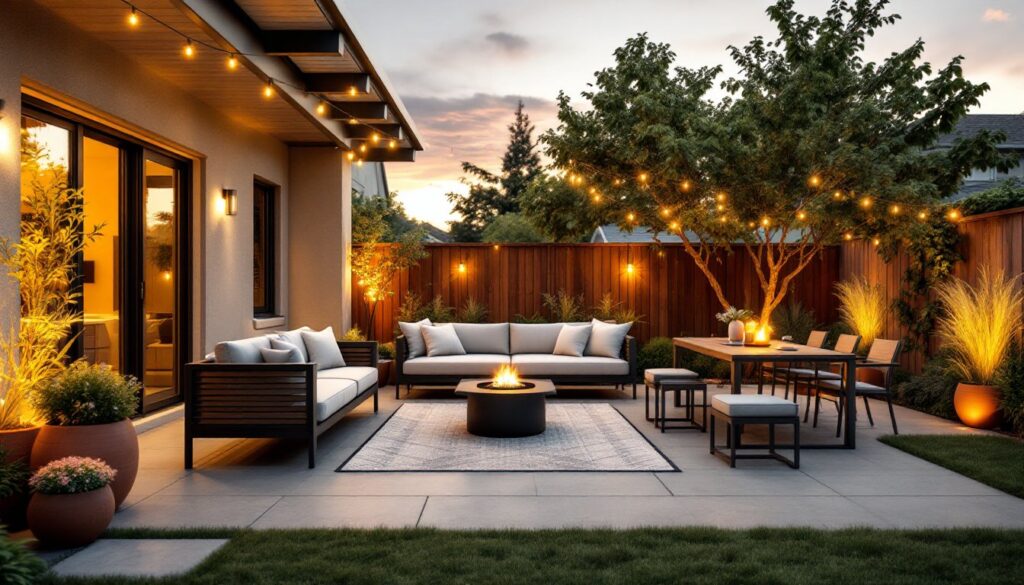
String Edison bulbs or warm LED café lights overhead create ambiance without overwhelming brightness. Aim for color temperature around 2700K for warm, inviting tones. Use HGTV inspiration if you’re unsure about aesthetic direction, their outdoor living segments show real-world installations.
Wire everything through a weather-rated junction box and use GFCI-protected circuits throughout. Test ground fault protection monthly: humidity and moisture make Florida yards high-risk for electrical hazards. When in doubt, hire a licensed electrician, this is not an area to wing it.
Add Weatherproof Structures for Extended Use
Screened enclosures and covered pavilions protect against mosquitoes, intense sun, and unpredictable afternoon downpours. A screened-in porch requires a solid foundation (concrete slab or pressure-treated posts on concrete footings), framing, and aluminum screening with a #20 mesh rated for Florida weather.
Build the frame using 2×6 pressure-treated lumber or aluminum studs, both code-compliant and resistant to rot. Screen panels attach with spline, a rubber cord pressed into grooves using a spline roller tool. Use extruded aluminum frames for durability: vinyl frames become brittle in Florida’s UV exposure.
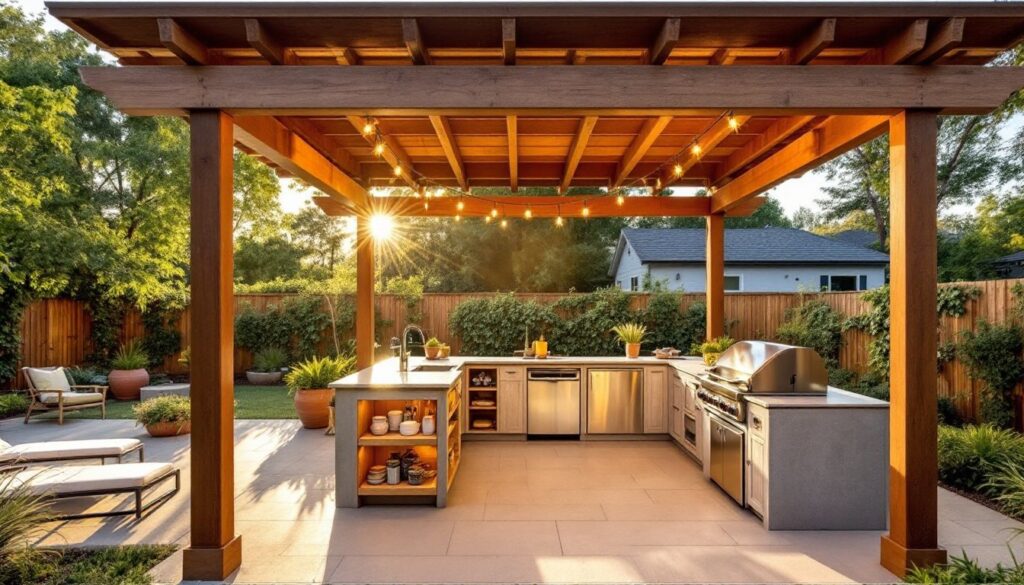
For a freestanding pavilion, use 4×8 posts sunk 3 feet into concrete (frost heave isn’t an issue in Florida, but anchor bolts prevent wind uplift). The roof can be corrugated polycarbonate (6mm multiwall), allowing light while blocking UV, or traditional metal roofing. Ensure 2% slope for water drainage.
All outdoor structures should meet Florida Building Code requirements for wind load (typically 130+ mph design wind speeds in most zones, check your local jurisdiction). Permits are required: the inspector verifies proper fastening, flashing, and electrical integration.
DIY backyard projects like these demand precision and patience. Don’t rush framing or foundation work, these determine whether your structure survives a hurricane or ends up in the neighbor’s pool.
Incorporate Water Management Solutions
Florida experiences sudden downpours and sits on shallow water tables. Poor drainage turns backyards into swamps. Grade your property so water flows away from structures at least 1 inch per 10 feet of horizontal distance. Install rain gardens, shallow depressions 4–6 inches deep filled with native plants and sand-compost mix. These capture runoff, recharge groundwater, and look deliberate rather than sloppy.
For serious drainage issues, install French drains or dry wells. Dig a trench 18–24 inches deep, line it with landscape fabric, fill with 4-inch perforated drain pipe, and cover with gravel. The pipe directs water away from problem areas. Connect gutters and downspouts to these systems.
Consider permeable pavers for walkways and secondary patios. These allow water infiltration instead of creating runoff. Standard paving stones are laid on sand and gravel base, but open-grid pavers or permeable concrete let rain soak through.
If you’re near a wetland or have a slope exceeding 20%, check local stormwater regulations. Some jurisdictions require SWPPP (Stormwater Pollution Prevention Plans) for large projects. It sounds bureaucratic, but these rules protect your neighbors and your property value. Improper drainage claims haunt home sales in Florida.
Install a rain barrel (55–110 gallon) under downspouts for supplemental garden watering. Saves water, reduces runoff, and cuts your utility bill. In Florida’s humid climate, debris clogs gutters quickly, clean them every 3 months.
Conclusion
Building a Florida backyard that works year-round doesn’t require exotic materials or contractor budgets. Stick to climate-smart fundamentals: manage sun and shade, use native plants, ensure proper drainage, and respect structural codes. Backyard makeovers on a budget prove that thoughtful planning beats expensive one-off features. Start with one or two projects, let them settle in, then expand. Your future self will appreciate the usable, resilient outdoor space you’ve built.