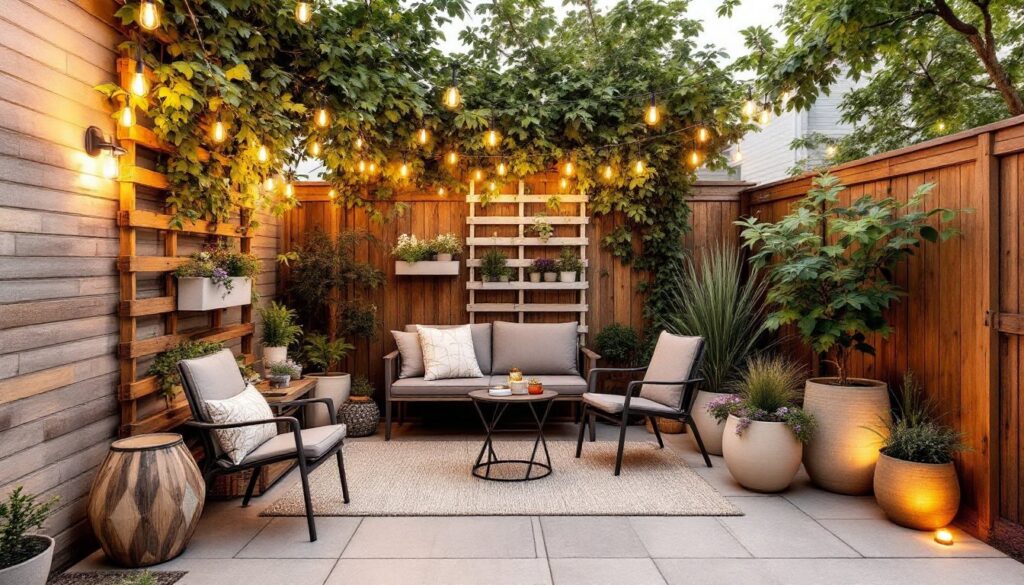

Small backyards don’t have to feel cramped or understyled. With smart planning and creative design choices, even the tiniest outdoor space can become an inviting retreat that feels bigger and more functional than its square footage suggests. Whether you’re working with a postage-stamp-sized patio or a modest city lot, the backyard ideas in this guide focus on proven strategies that stretch perceived space, add genuine value, and keep maintenance realistic. You’ll discover practical solutions that work within budget constraints while delivering real impact, no Pinterest fantasy required.
Key Takeaways
- Vertical gardening through wall-mounted planters and trellises maximizes greenery in small yards without consuming precious ground space.
- Multi-functional furniture like storage benches and nesting tables doubles utility while keeping compact patios visually uncluttered.
- Layered lighting—combining string lights, uplighting, and path lights—expands perceived space and creates intentional ambiance after dark.
- Container gardening and raised beds offer flexible, movable growing solutions that work within limited footage constraints.
- Light-colored pavers and strategic patio layouts with outdoor rugs define zones and make small backyards feel larger and more organized.
- Prioritizing one feature at a time (patio, containers, lighting) lets you spread investment and refine backyard ideas for small yards seasonally.
Vertical Gardening Solutions
Vertical gardening is a game-changer for small yards. Instead of spreading plants across limited square footage, you build upward using walls, fences, and structures. This approach adds greenery and visual interest without consuming precious ground space.
Wall-Mounted Planters and Living Walls
Wall-mounted planters transform blank fencing or exterior walls into productive garden real estate. Metal brackets, wooden shelves, or specialized pocket systems let you grow herbs, succulents, trailing plants, and flowers in stacked rows. A south-facing fence with six to eight wall-mounted pockets can produce as much fresh herbs as a ground-level bed twice its size.
Living walls, or green walls, take this further. These modular panels or felt-backed systems hold soil and plants in a vertical arrangement, creating a lush backdrop that improves air quality and reduces noise. Installation requires sturdy wall anchors rated for the wet weight (soil and water add significant load). Drip irrigation is almost essential here: hand-watering a living wall above shoulder height gets old fast. Moderate to advanced DIYers can build these: beginners should consider hiring someone for the initial setup.
Start small with wall-mounted planters if you’re testing the concept. Lightweight composite or fabric planters cost $15–$50 each and let you experiment with placement before committing to permanent installation.
Trellises and Climbing Plants
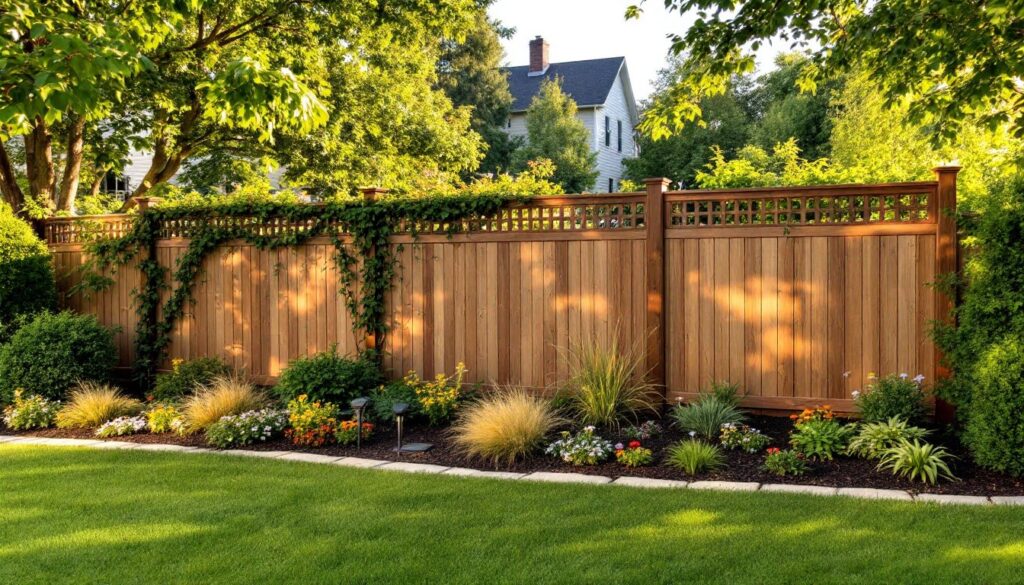
Trellises are the unsung MVPs of small-yard design. A simple wooden or metal frame against a fence allows climbing vines, clematis, jasmine, ivy, to reach 6, 8, or even 10 feet upward, adding vertical mass and screening without footprint. Position trellises to define space, block an unattractive view, or create a natural privacy wall.
When securing trellises, attach them to the fence or wall using corrosion-resistant L-brackets rated for your region’s wind loads. In northern climates, build a 2–3 inch gap between the trellis and wall: this prevents moisture trap and wood rot. Paint or stain before vines mature: accessing the back later becomes nearly impossible.
Climbing plants vary in growth rate and maintenance. Clematis is showy but needs pruning discipline. Clematis also prefers shade at its roots and sun on its foliage, a quirk that often surprises new growers. Ivy is tougher and faster but can become invasive if not managed. Check what thrives in your USDA hardiness zone before planting.
Letting climbing plants cover a fence section creates the illusion of depth and softens hard edges. This visual trick makes compact yards feel more generous.
Multi-Functional Outdoor Furniture
Small yards demand furniture that pulls double duty. A standard outdoor couch eats 6–8 feet of patio real estate and does one job. Multi-functional pieces save space and add value.
Seating With Storage Solutions
Storage benches and ottoman-style seats hide cushions, gardening tools, or seasonal decor inside while providing seating or a footrest. Look for marine-grade plywood or composite construction: these resist rot and UV damage better than solid wood. A 4-foot bench with internal storage costs $150–$400 depending on materials and finish.
Deck boxes work similarly. Fiberglass or resin boxes resist moisture and UV better than wood and never require staining. A medium deck box ($200–$350) can store an entire season’s garden supplies, cushions, and entertaining gear, keeping your patio visually uncluttered.
When you’re integrating furniture, measure your space first. A loveseat (typically 60 inches) plus a small side table (24 inches) leaves room to walk around a 12-foot-deep yard. Overscaling furniture makes tiny spaces feel suffocating.
Consider a nesting table set instead of one large coffee table. Nesting tables let you expand surface area when entertaining and collapse when you need walking room. They’re also easier to move when rearranging or storing.
Folding or compact bistro chairs (18–20 inches wide) work well in tight corners. Metal or powder-coated frames outlast wood and require minimal maintenance. When not in use, they stack and tuck behind a planter or lean against a shed.
Built-in seating along fence edges or raised beds combines functionality with design intent. A simple wooden bench running along one fence side anchors the space and provides seating without eating floor real estate. If building one yourself, use pressure-treated lumber (2×12 for seat depth, 4×4 for legs) and attach to fence posts or concrete footings for stability and longevity. A DIYer with basic carpentry skills can build a 6-foot bench in a weekend.
Lighting and Ambiance Tricks
Lighting is underrated in small yards. The right fixtures expand perceived space, create focal points, and make the area feel intentional after dark.
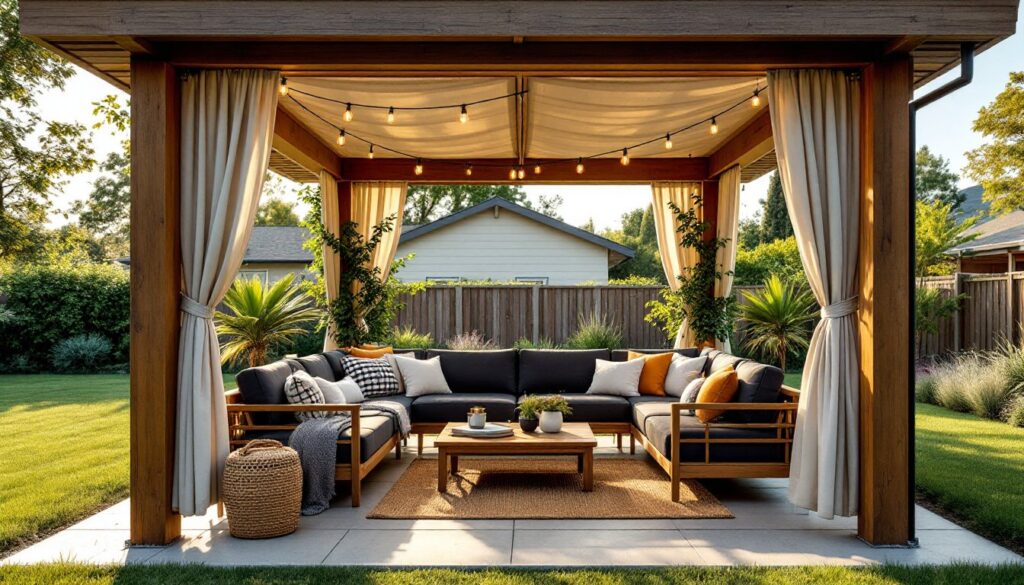
String lights are the workhorse of small-space ambiance. Strands of bistro lights or Edison bulbs draped overhead (or along fences) add warmth and visual interest without occupying ground space. LED versions use minimal power and last thousands of hours. Drape them in a loose arc or crisscross pattern 7–8 feet overhead to define zones and add height.
Uplighting transforms landscaping. A low-voltage LED spotlight ($15–$40) buried in mulch and aimed upward at a shrub or trellis creates drama and depth. Uplighting a vine-covered fence or living wall makes it glow at dusk, becoming a focal point instead of a boundary.
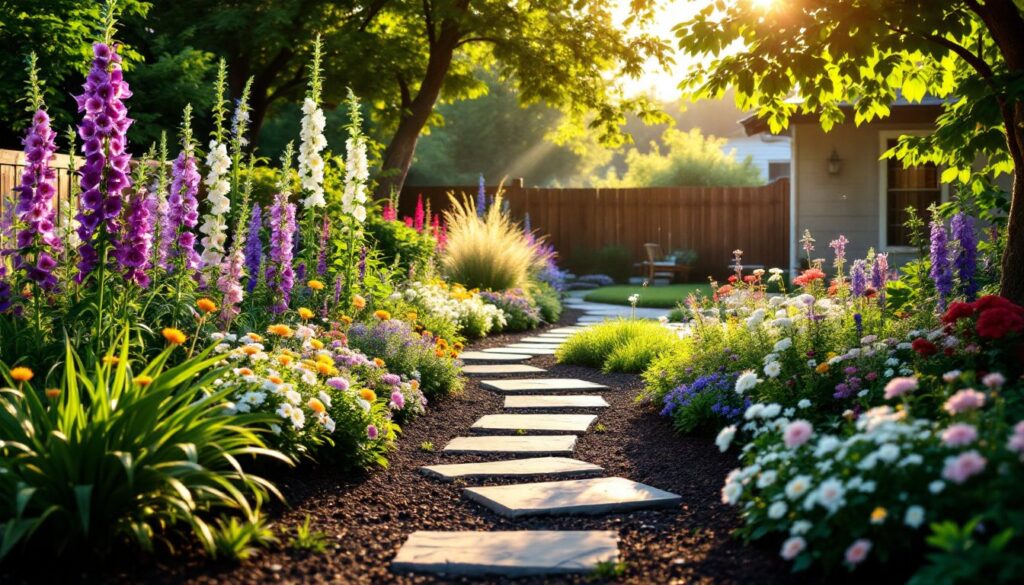
Path lighting (solar or low-voltage) guides movement and creates sight lines. Running lights along a planting bed edge or leading to a seating area adds intention and makes the space feel larger by defining pathways. Solar lights are cheapest ($5–$15 each) but less bright: low-voltage LED systems ($40–$100 per 8-light set) are brighter and more reliable in cloudy climates.
Avoid over-brightening. Harsh floodlights flatten space. Softer, layered lighting (string lights + uplighting + pathway lights) creates dimension and invites lingering.
Reflective elements, a small mirror mounted on a fence, shiny gazing balls, or light-colored paving, bounce light and create the illusion of expanded sightlines. A 24×36 inch outdoor mirror costs $40–$80 and is surprisingly effective for doubling the perceived depth of a tight corner.
Container and Patio Design
Containers and patio layout unlock flexibility in small spaces. Unlike in-ground beds, containers move, adapt, and can be swapped seasonally.
Container gardening lets you grow vegetables, flowers, and herbs without dedicating bed space. A 20-gallon fabric pot ($8–$12) can support a dwarf tomato or pepper plant. Clustering several pots of varying heights creates visual interest and lets you customize plant choices. Fabric pots drain better than ceramic and are lighter to move around.
When grouping containers, nest smaller pots inside larger ones or arrange them in odd numbers (3 or 5) instead of pairs. This asymmetry feels intentional and makes small patios look less cramped. Use a saucer beneath pots to catch drainage and protect paving. Avoid leaving standing water, which invites mosquitoes.
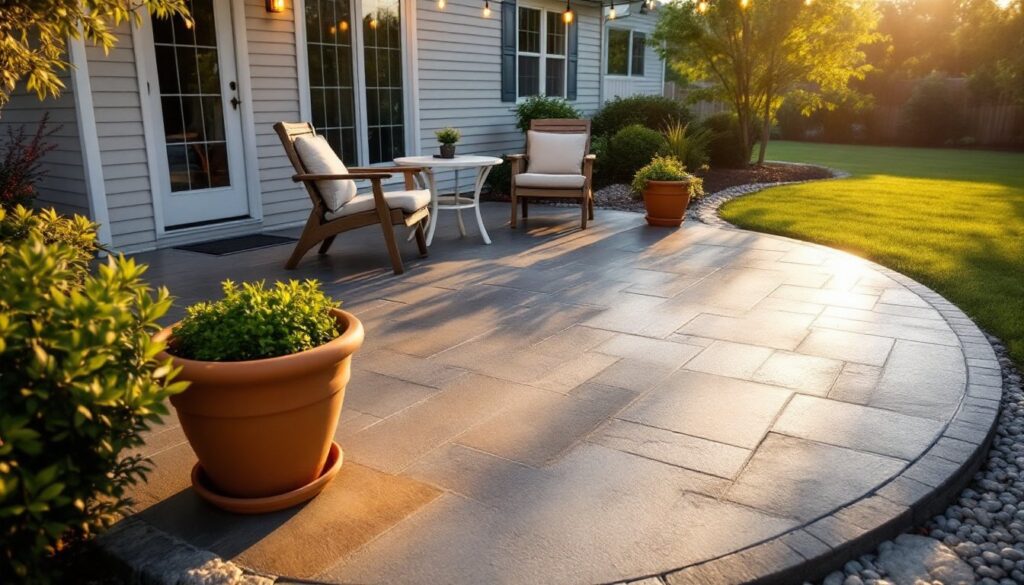
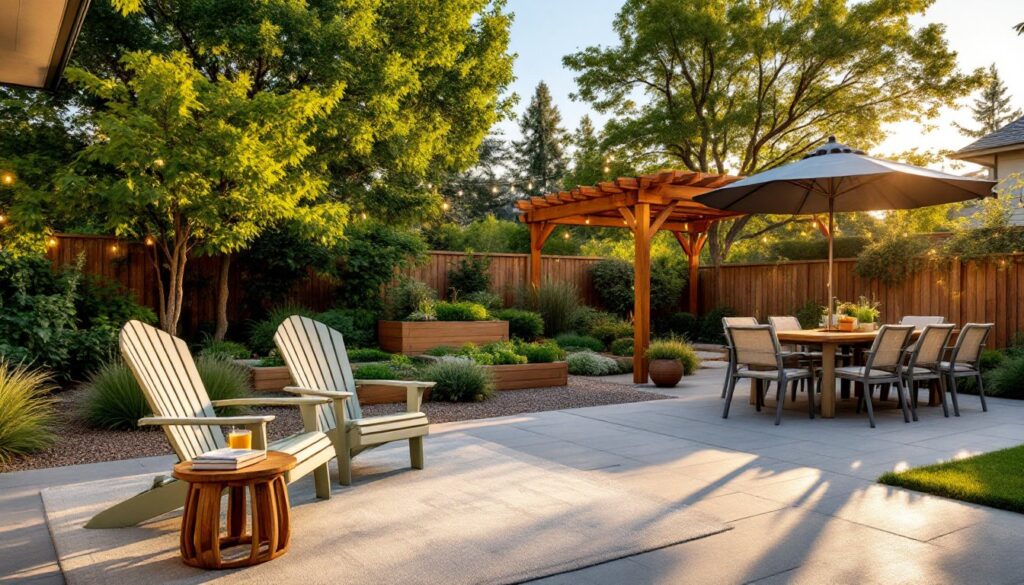
For patio layout, define zones using pavers, rugs, or level changes. A 10×12 patio can feel disjointed if furniture is scattered randomly. Anchoring seating with an outdoor rug creates a cohesive “room.” A 5×7 or 6×9 outdoor rug ($80–$200) defines space without consuming it.
Hardscaping materials matter in small yards. Light-colored pavers (limestone, travertine, light concrete) reflect light and feel spacious. Dark materials absorb heat and can feel heavy. In hot climates, light colors also reduce glare and patio temperature. Concrete pavers (12×12 inches) cost $1–$3 per square foot: natural stone runs $3–$8 per square foot depending on material.
Raised beds are containers at scale. A 4×8×2 foot bed ($150–$300 built from composite or untreated cedar) adds structure and vertical interest while keeping planting soil separate from poor native dirt. Build with materials at hand. Line the bottom with landscape fabric to slow weed pressure. Cedar lasts 10–15 years naturally: composite lasts longer but costs 40% more.
Small yards benefit from budget-conscious backyard makeovers that prioritize one feature at a time rather than trying to transform everything at once. A patio refresh in spring, container gardens in summer, and lighting upgrades in fall spread investment and let you refine as you go.
Layering containers, lighting, and compact furniture in a thoughtful patio layout makes small backyards feel intentional and relaxing rather than like an afterthought. Home landscaping ideas provide additional inspiration for working with limited footage.
Convenient spacing also matters functionally. Leave 18–24 inches between seating and planting beds for comfortable passage. Avoid placing containers where they obstruct foot traffic or collect clutter. Every piece should earn its place through utility or genuine visual appeal.